
Home goods are among the most common products found in retail stores, eCommerce warehouses, and distribution centers. As consumer preferences change and new product collections arrive, businesses often find themselves holding excess household inventory that no longer fits their current sales strategy.
Liquidate Products helps businesses sell bulk home goods and household products, including kitchenware, home décor, storage solutions, cleaning accessories, bathroom products, seasonal home merchandise, shelf pulls, customer returns, and closeout inventory.
Whether you’re clearing warehouse space, reducing slow-moving inventory, or making room for new product lines, our team reviews each inventory lot individually to determine whether it’s a good fit for liquidation.

Liquidate Products reviews a wide variety of consumer household products available in bulk, including:
If your inventory includes several household product categories, you can submit the entire lot for review along with available product lists, manifests, photos, and quantity information.
Household products don’t always become excess because they’re outdated. More often, inventory builds up because retail demand changes, seasonal collections end, or businesses introduce new product lines.
Companies commonly look for home goods liquidation buyers when:
Liquidating excess household products can help businesses recover warehouse space while simplifying inventory management.
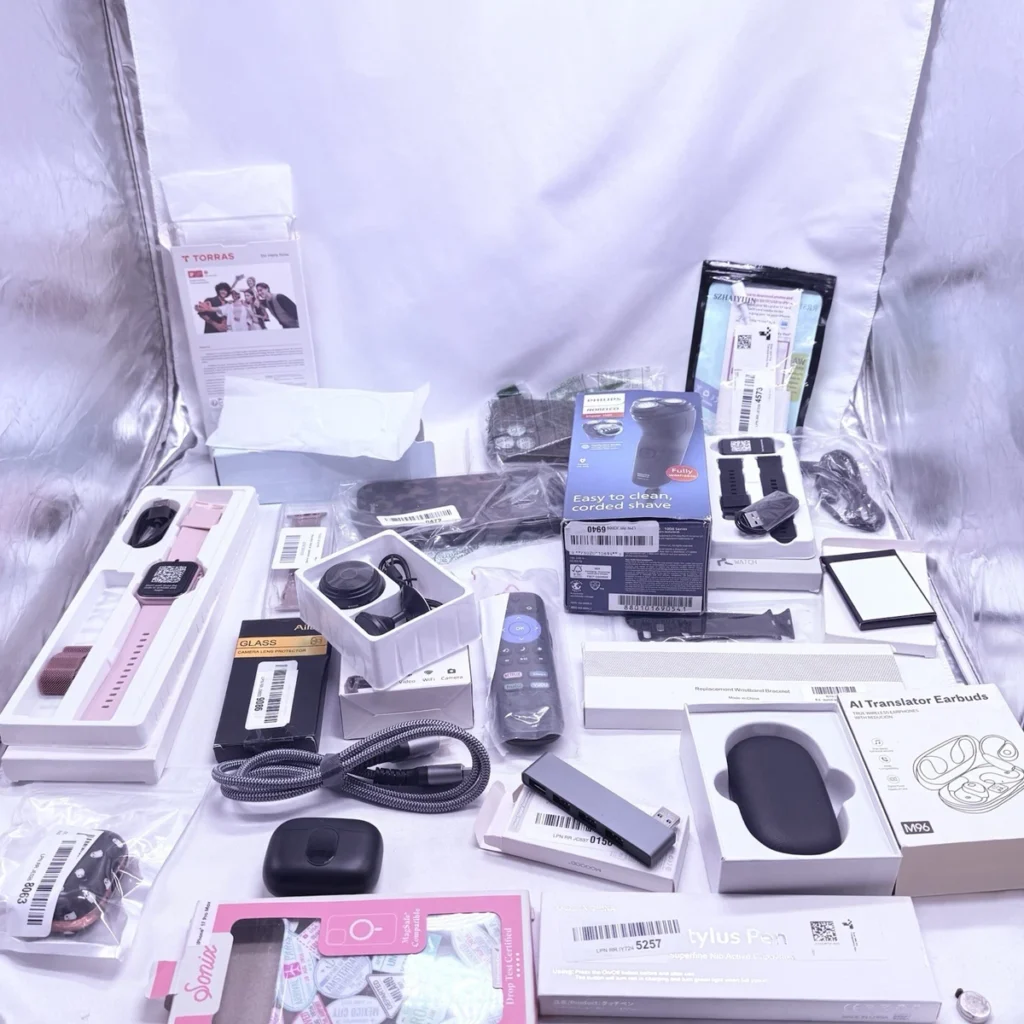

Kitchen products are frequently updated as retailers introduce new collections, colors, or seasonal merchandise.
Examples include:
For kitchenware liquidation, product quantities, packaging condition, carton counts, and available manifests help speed up the review process.
Home décor trends change regularly, leaving retailers and distributors with products that are still in excellent condition but no longer match current merchandising plans.
This category may include:
Home décor inventory is commonly liquidated after seasonal changes, retail resets, or collection updates.

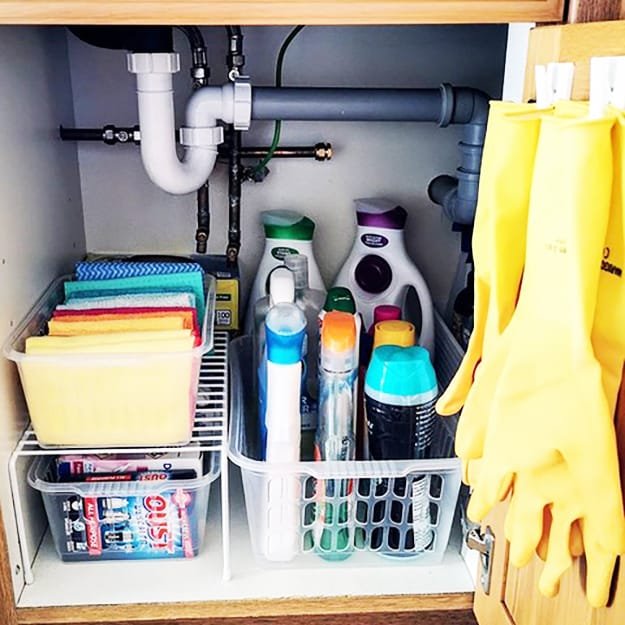
Storage and organization products remain consistent consumer items but often accumulate when retailers refresh inventory or consolidate product lines.
Examples include:
Businesses frequently submit mixed storage and organization inventory together because these products are often sold across several departments.
Seasonal household products can become difficult to sell once the primary selling period has ended.
Common examples include:
Submitting seasonal inventory before the next selling cycle often provides a better opportunity for review.

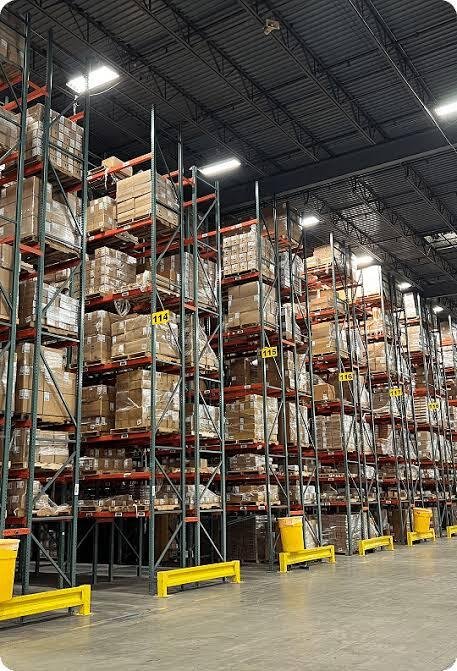
Many home goods liquidation opportunities originate from retail shelf pulls, customer returns, discontinued collections, or overstock inventory.
Common inventory types include:
Providing clear product descriptions and condition details helps simplify the evaluation process.
Sharing clear product and inventory information allows our team to evaluate your household inventory more efficiently.
If some documentation isn’t available, you can still begin the process with photos, estimated quantities, or a basic inventory list.

Retailers often liquidate seasonal collections, shelf pulls, discontinued merchandise, and excess household inventory following merchandising updates.
Distribution businesses frequently manage cancelled orders, slow-moving inventory, and mixed household product lots across multiple brands.
Manufacturers may need to liquidate discontinued collections, packaging updates, excess production, or promotional merchandise.
Online sellers often reduce storage costs by liquidating overstock home goods, slow-moving listings, and marketplace inventory.

If your inventory is subject to resale, marketplace, or regional restrictions, let us know when submitting your information so we can review the lot appropriately.
If your products include:
Please include those details when submitting your inventory.
Each inventory lot is reviewed individually based on the information provided.
Complete the inventory submission form and upload any available manifests, spreadsheets, PDFs, or product photos.
Our team reviews your inventory based on:
Product category
Quantity
Product condition
Packaging
Documentation
Inventory location
Overall inventory profile
If your inventory appears to be a good fit, we'll discuss the next steps based on your submission.
Whether you’re clearing seasonal home merchandise, overstock kitchenware, storage products, or mixed household inventory, our team can review your submission and determine whether it’s suitable for liquidation.
We review a wide variety of household consumer products, including kitchenware, storage products, home décor, cleaning accessories, seasonal merchandise, and related consumer goods available in bulk.
Yes. Mixed household inventory may be submitted together. Include as much product information as possible, along with quantities and photos.
Yes. Customer returns may be reviewed depending on the product category, condition, packaging, and available documentation.
Yes. Seasonal household merchandise and promotional inventory may be submitted for review with product details and quantities.
Product names, categories, quantities, condition, packaging, photos, and inventory manifests all help speed up the review process.
No. While a detailed manifest is helpful, product photos, estimated quantities, spreadsheets, and pallet counts are often enough to begin the review.