
Tools and hardware products are practical, compact, and useful across many retail and resale channels. When these products become overstock, discontinued, returned, or left behind after retail resets, they can often be reviewed as part of a bulk liquidation opportunity.
Liquidate Products helps businesses sell bulk tools and hardware inventory, including hand tools, tool sets, drill bits, fasteners, safety accessories, work lights, hardware kits, tool organizers, shelf pulls, customer returns, discontinued products, and closeout hardware merchandise.
We work with retailers, distributors, wholesalers, manufacturers, eCommerce sellers, and marketplace businesses that need tools and hardware liquidation buyers for inventory that is no longer moving through regular sales channels.
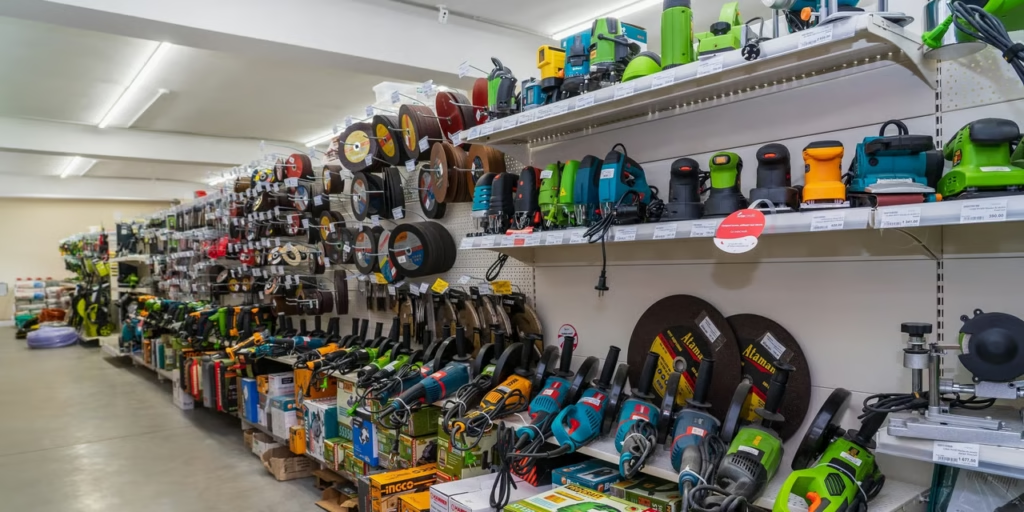
Liquidate Products reviews a wide range of tools, hardware, and related consumer goods available in bulk, including:
If your inventory includes several tool or hardware categories, you can submit the full lot for review with available product lists, photos, quantities, and condition details.
Tools and hardware products can become excess for many reasons. Some items are replaced by newer packaging, some are left from retail resets, and others may be slow-moving SKUs that take up warehouse space across multiple bins, cartons, or pallets.
Businesses often look for tools and hardware liquidation buyers when:
This category is especially suitable for bulk review because many tools and hardware items are compact, practical, and easier to group by product type.

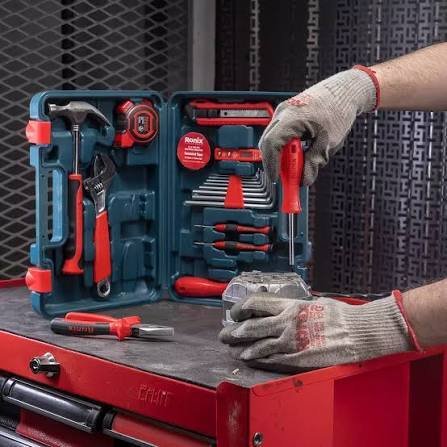
Hand tools are one of the strongest fits for tools liquidation because they are commonly sold in sets, cartons, retail packaging, and mixed lots.
This inventory may include:
For hand tool liquidation, product names, quantities, packaging condition, brand names, and photos of boxes or cartons can help the review process.
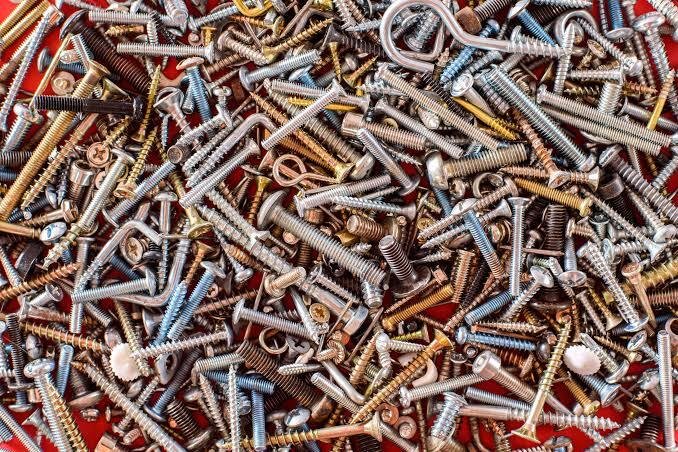
Fasteners and hardware items often build up across warehouses, retail stockrooms, and distribution centers. These products may be small individually, but valuable when available in bulk.
Examples include:
For fastener and hardware kit liquidation, quantity estimates, case counts, product organization, and photos are especially helpful.
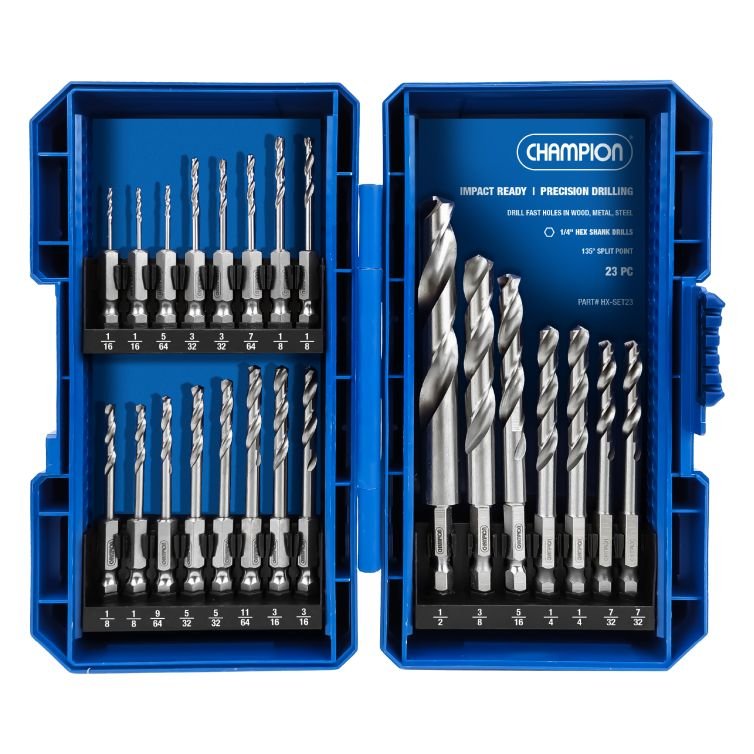
Tool accessories and garage-related products can become excess after product line updates, store resets, or cancelled orders.
This category may include:
When submitting these products, include SKU details, quantities, condition, packaging, and whether the inventory is new, returned, shelf pull, or mixed.
Safety and work-related accessories are also common in hardware and tool inventory.
Products may include:
For these lots, packaging condition, product type, quantity, and photos help the team review the inventory properly.

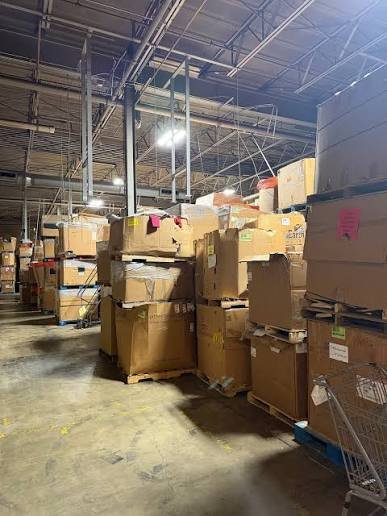
Many tools and hardware liquidation opportunities come from retail shelf pulls, customer returns, packaging changes, discontinued products, or overstock merchandise.
Common inventory types include:
For shelf pulls and returns, condition details are important. Mention whether products are sealed, open box, damaged package, uninspected, tested, untested, or mixed condition.
Helpful details include:
If you do not have a complete manifest, photos, estimated quantities, carton counts, and category details can still help begin the review.

Retailers may need to clear shelf pulls, discontinued tools, overstock hardware, promotional inventory, and customer returns after merchandising changes.
Distributors often manage mixed hardware pallets, cancelled orders, slow-moving SKUs, and excess cartons across several tool and hardware categories.
Manufacturers may need to move discontinued tool sets, packaging-change inventory, excess production, older product lines, or promotional products.
Online sellers may use liquidation to reduce aged inventory, storage costs, slow-moving listings, and Amazon FBA inventory.

Tools and hardware inventory can involve brand requirements, marketplace restrictions, packaging concerns, and handling notes for mixed lots or sharp items.
If your products include:
include those details when submitting the inventory. Every lot is reviewed individually.
Complete the inventory submission form and upload any available manifests, product lists, PDFs, spreadsheets, or product photos.
For tools and hardware, product categories, quantities, packaging condition, and whether items are new, shelf pulls, returns, or mixed can all help the review.
The team reviews the inventory based on product type, quantity, condition, packaging, documentation, location, and overall lot profile.
If the lot appears to be a fit, Liquidate Products can discuss the next step based on your submission.
If your business needs to sell bulk tools, hand tools, tool sets, drill bits, fasteners, hardware kits, safety accessories, work lights, shelf pulls, customer returns, or closeout hardware inventory, submit your inventory for review.
Share your product details, upload available documentation, and our team will determine whether your inventory is a good fit.
Yes. Bulk tools and hardware inventory may be submitted for review with product details, quantities, photos, packaging condition, and location.
Yes. Hand tools, screwdriver sets, wrench sets, pliers, hammers, utility knives, socket sets, and general tool kits may be submitted for review.
Yes. Fasteners, screws, nails, bolts, anchors, brackets, hinges, hardware kits, and mixed small-part lots may be reviewed.
Yes. Drill bits, driver bits, tool accessories, attachments, work lights, organizers, and garage accessories may be submitted.
Customer returns may be reviewed depending on category, condition, packaging, and available documentation.
Yes. Mixed hardware pallets can be submitted with photos, category details, estimated quantities, and condition notes.
A full manifest is helpful, but product photos, estimated quantities, carton counts, pallet counts, and product category details can also help begin the review.