
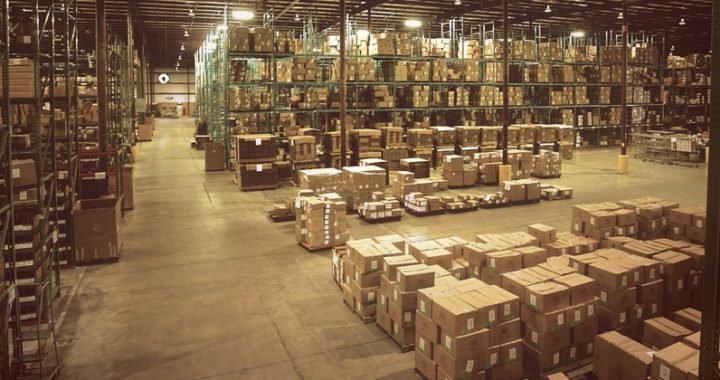
Georgia is one of the most important logistics states in the United States, and Atlanta sits at the center of that movement. For retailers, wholesalers, importers, ecommerce brands, distributors, and manufacturers, the state’s transportation network creates both opportunity and pressure. Goods move quickly into Georgia, through Georgia, and out to the rest of the Southeast. But when inventory stops moving, businesses need a fast way to convert excess stock into cash.
That is why more companies search for bulk inventory buyers Georgia Atlanta when they need to clear warehouse space, reduce carrying costs, or liquidate slow-moving merchandise.
Atlanta’s distribution network, Georgia’s highway access, the Port of Savannah, rail connections, air cargo capacity, and a large regional consumer market all make the state a natural liquidation hub. Inventory flows into Georgia through major ports, distribution centers, fulfillment centers, retail warehouses, 3PL facilities, and ecommerce operations. When demand changes, that same network helps bulk buyers move overstock into secondary markets.
LiquidateProducts works with businesses that need to sell bulk overstock, closeouts, shelf pulls, discontinued products, customer returns, Amazon FBA inventory, and excess merchandise. If your company has inventory in Atlanta, Savannah, Augusta, Macon, Columbus, Gainesville, Dalton, or anywhere in Georgia, you can submit your inventory for review.
Why Georgia Is a Strong Liquidation Market?
Georgia’s liquidation market is strong because the state is built for distribution. Atlanta connects major highways, rail routes, air freight, ecommerce fulfillment, and regional warehousing. Savannah adds deep port access for imported merchandise. Together, these systems create a high-volume inventory environment.
That matters because liquidation follows inventory flow. Wherever retailers, importers, and distributors store large amounts of product, overstock eventually appears.
Georgia businesses often need liquidation because of:
- Canceled purchase orders
- Retail program changes
- Seasonal inventory shifts
- Packaging updates
- Excess imports
- Amazon FBA removals
- Warehouse consolidation
- Distributor closeouts
- Slow sell-through
- Customer returns
- Store closures
- Product line changes
- Ecommerce forecasting mistakes
For a business holding excess inventory, the cost of waiting can be high. Warehouse rent, labor, pallet storage, insurance, handling, and markdown pressure can reduce recovery value over time. A bulk buyer gives sellers a cleaner path: sell the lot, free up space, and recover capital.
How Atlanta’s Distribution Network Supports Bulk Liquidation
Atlanta is not just a large city. It is a regional distribution engine. Products can reach much of the Southeast from metro Atlanta in a short shipping window, which makes the area attractive for wholesalers, retailers, and liquidation buyers.
Atlanta’s liquidation advantage comes from several logistics strengths.
1. Highway Access
Atlanta connects with major interstate routes including I-75, I-85, I-20, and I-285. This makes it easier for inventory to move north, south, east, and west. For liquidation buyers, highway access matters because freight costs affect every offer.
A bulk buyer evaluating a Georgia lot will consider:
- Warehouse location
- Pallet count
- Truckload volume
- Pickup access
- Dock availability
- Distance to resale or processing markets
- Whether the lot can move by LTL, partial truckload, or full truckload
If your inventory is already in the Atlanta area, it may be easier to move than inventory sitting in a remote storage facility with limited dock access.
2. Port of Savannah Access
The Port of Savannah is one of Georgia’s biggest inventory engines. Imported retail goods, consumer products, apparel, home goods, electronics, tools, seasonal merchandise, furniture, and general merchandise often enter through Savannah before moving to distribution centers across Georgia and the Southeast.
For liquidation, this creates a clear pattern. When importers overbuy, retailers cancel orders, or distributors receive more product than they can sell, excess inventory may sit in Savannah-area warehouses, Atlanta distribution centers, or inland 3PL facilities.
Bulk buyers can help move that merchandise before it becomes a long-term storage problem.
3. Rail and Intermodal Connections
Georgia’s rail and intermodal infrastructure supports the movement of containers, pallets, and truckload inventory. For businesses with larger quantities, this can matter because liquidation is often a freight-sensitive transaction.
The more efficiently a buyer can move the inventory, the more practical the deal becomes.
4. Air Cargo and Time-Sensitive Goods
Atlanta’s airport network also supports time-sensitive distribution. While most liquidation inventory moves by truck, air cargo reinforces Atlanta’s role as a major product movement hub. This is especially relevant for high-value goods, replacement parts, electronics, urgent retail replenishment, and ecommerce supply chains.
When demand shifts quickly, goods that were once urgent can become excess. Bulk inventory buyers help sellers exit those positions before storage and markdown costs increase.
5. Large Regional Consumer Market
Georgia’s population and Atlanta’s regional influence create demand for many liquidation categories. Overstock does not always need to travel across the country to find buyers. Many lots can be resold through discount retailers, wholesalers, flea market vendors, bin stores, ecommerce resellers, export buyers, and secondary-market distributors.
This local and regional demand supports better liquidity for many product categories.
What Product Categories Dominate Georgia’s Liquidation Market?
Georgia’s liquidation market reflects the products moving through the state. Because Atlanta and Savannah serve major retail, ecommerce, import, and distribution channels, the most common liquidation categories include a wide range of consumer goods.
1. General Merchandise
General merchandise is one of the most common liquidation categories in Georgia. These lots may include household items, small accessories, décor, kitchenware, cleaning products, toys, seasonal items, tools, pet products, and mixed retail goods.
Bulk buyers like general merchandise when the lot is well-manifested, retail-ready, and easy to resell through multiple channels.
2. Apparel and Footwear
Georgia’s distribution network supports significant apparel movement. Clothing and footwear overstock often comes from retailers, ecommerce brands, importers, and seasonal fashion changes.
Common apparel liquidation includes:
- Branded clothing
- Private-label apparel
- Shoes
- Workwear
- Basics
- Children’s clothing
- Seasonal apparel
- Returns
- Shelf pulls
- Overstock from online sellers
Apparel buyers usually care about brand, size mix, seasonality, condition, and whether the inventory is new, returned, or shelf-pulled.
3. Home Goods and Furniture
Home goods are a strong liquidation category because Georgia has major warehousing and retail distribution activity. These lots may include bedding, décor, furniture, small home accessories, storage products, rugs, lighting, and kitchen products.
Furniture and bulky home goods can be harder to move because freight costs are higher. However, if the product is desirable and the location is convenient, bulk buyers may still be interested.
4. Consumer Electronics and Accessories
Electronics move quickly through ecommerce and retail channels, but they also depreciate quickly. Georgia sellers may need to liquidate phone accessories, chargers, headphones, Bluetooth speakers, gaming accessories, computer peripherals, smart-home products, and small electronics.
The best electronics lots are new, sealed, clearly manifested, and current. Open-box and customer-return electronics may still have value, but buyers will discount for testing and defect risk.
5. Health, Beauty, and Personal Care
Health and beauty products are common in liquidation, especially when packaging changes, retailers reset shelves, or ecommerce sellers overstock inventory.
Buyers look closely at:
- Expiration dates
- Lot codes
- Packaging condition
- Brand restrictions
- Ingredient or compliance concerns
- Case-pack quantities
- Retail demand
Products with short dates or unclear labeling may receive lower offers.
6. Toys, Games, and Seasonal Goods
Toys and seasonal merchandise can create large overstock problems because timing matters. Holiday goods, summer products, back-to-school items, outdoor items, party supplies, and toy lines can lose value once the season passes.
Georgia’s logistics network can help move these products quickly, but sellers should liquidate early. Waiting until after peak season usually lowers recovery value.
7. Tools, Hardware, and Industrial Supplies
Georgia also supports manufacturing, construction, automotive, and industrial distribution. This can produce liquidation opportunities in tools, hardware, safety supplies, MRO products, building materials, and equipment accessories.
These categories can perform well when inventory is durable, clearly identified, and useful to contractors, resellers, or industrial buyers.
8. Amazon FBA and Ecommerce Inventory
Many Georgia-based and out-of-state sellers use warehouses, prep centers, 3PLs, and Amazon-linked distribution systems in the region. When FBA inventory becomes slow-moving, stranded, returned, or too expensive to store, liquidation can be a practical exit.
LiquidateProducts reviews ecommerce and Amazon inventory when sellers provide a clear manifest, product links, quantities, condition, and warehouse details.
Why Retailers and Distributors in Georgia Liquidate Inventory
Liquidation is not only for distressed businesses. Many healthy companies use liquidation as part of normal inventory management.
Georgia retailers and distributors may liquidate because they need to:
- Clear space for new product lines
- Improve cash flow
- Reduce storage costs
- Exit discontinued SKUs
- Move seasonal leftovers
- Avoid deeper markdowns
- Close a warehouse
- Consolidate locations
- Remove damaged-packaging goods
- Sell customer returns
- Recover value from canceled orders
- Avoid tying up capital in dead stock
The longer slow-moving inventory sits, the more expensive it becomes. Liquidation helps businesses reset.
What Bulk Inventory Buyers in Georgia Look For
Bulk Inventory buyers do not evaluate inventory the same way retail customers do. A consumer may look at one product and ask, “Do I want this?” A bulk buyer asks, “Can I move hundreds or thousands of units profitably after freight, handling, storage, sorting, and resale costs?”
Here is what buyers usually review.
Product Category
Some categories are easier to resell than others. General merchandise, apparel, household goods, tools, consumer electronics, health and beauty, and seasonal products can all be liquidatable, but each has different risks.
Condition
Condition has a major impact on value. New, sealed, case-packed inventory usually receives stronger interest than mixed returns or damaged goods.
Separate your inventory into groups:
- New overstock
- Shelf pulls
- Customer returns
- Open box
- Damaged packaging
- Salvage
- Defective or parts-only
Do not mix high-value goods with salvage if you can avoid it. Separation protects the value of the better inventory.
Quantity
Bulk buyers usually prefer meaningful volume. That may mean pallets, truckloads, container loads, or large SKU quantities. Smaller lots can still be reviewed, but larger, cleaner lots are often easier to price.
Manifest Quality
A strong manifest can improve buyer confidence. Include:
- SKU
- UPC
- Product title
- Brand
- Category
- Quantity
- Condition
- Unit cost
- Retail price
- Carton count
- Pallet count
- Photos
- Warehouse location
- Any restrictions
LiquidateProducts allows sellers to upload Excel manifests, PDFs, photos, and product details through the Submit Your Inventory page.
Location and Freight
Georgia’s logistics network helps, but freight still matters. A buyer will want to know where the goods are located and how they can be picked up.
Include:
- City and state
- Warehouse type
- Dock availability
- Pallet count
- Weight and dimensions
- Whether inventory is floor-loaded or palletized
- Pickup appointment requirements
- Whether the seller can ship
Resale Restrictions
Some brands do not want goods resold on certain marketplaces. Others may require off-price, export, or non-Amazon resale channels.
If you have resale restrictions, disclose them early. A serious buyer can factor those requirements into the offer.
How Georgia Sellers Can Get a Better Liquidation Offer
The fastest way to weaken a liquidation offer is to provide vague information. “Mixed goods in warehouse” is hard to price. “Eight pallets of new kitchen accessories with UPCs, carton counts, photos, and retail value” is much easier.
Before contacting a buyer, prepare the lot like a transaction, not a cleanout.
Use this checklist:
- Create a clean inventory manifest
- Take clear photos of products, cartons, and pallets
- Identify exact condition
- Separate returns from new goods
- List brands and UPCs
- Include retail value and original cost if available
- Share the warehouse location
- Confirm whether goods are palletized
- Mention any expiration dates
- Disclose damaged or incomplete items
- Explain why the inventory is being liquidated
- Respond quickly to follow-up questions
The goal is to reduce uncertainty. The less risk a buyer sees, the easier it is to make a serious offer.
Atlanta vs. Savannah: Where Liquidation Inventory Comes From
Atlanta and Savannah often play different roles in the same inventory cycle.
Savannah is a major entry point for imported goods. Containers arrive, clear port-related processes, and move inland. Some products go directly to distribution centers near the coast. Others move toward Atlanta or other Southeast markets.
Atlanta is often where goods are stored, sorted, distributed, and redirected. Retailers, ecommerce brands, and distributors use the metro area because it connects so many regional markets.
That means liquidation inventory may come from:
- Savannah import warehouses
- Atlanta distribution centers
- Ecommerce 3PLs
- Retail return centers
- Manufacturer warehouses
- Wholesale facilities
- Amazon-related storage locations
- Truckload and pallet storage facilities
- Store closure consolidations
For sellers, the important point is not whether the inventory is in Atlanta or Savannah. The important point is whether the lot is documented, accessible, and resellable.
When Should a Georgia Business Liquidate Overstock?
Timing matters. Liquidation is usually more effective when the goods still have active demand.
Consider contacting a bulk buyer when:
- Inventory has not moved in 60–90 days
- Warehouse space is becoming tight
- A new season or product line is arriving
- Storage costs are increasing
- A retailer canceled or reduced an order
- You are closing a location
- Product packaging has changed
- You need to recover cash quickly
- You have too many returns
- The product is losing marketplace visibility
- You are paying to hold inventory that no longer supports your business
Waiting too long can reduce recovery value. Products can become outdated, packaging can get damaged, demand can fade, and freight costs can make smaller lots less attractive.
Why Work With LiquidateProducts for Georgia Overstock?
LiquidateProducts helps businesses sell bulk inventory without turning the process into a long, complicated resale project. Instead of trying to sell product piece by piece, sellers can submit inventory for a bulk review.
LiquidateProducts buys and reviews many types of merchandise, including:
- Overstock
- Closeouts
- Shelf pulls
- Customer returns
- Aged inventory
- Discontinued products
- Amazon FBA inventory
- General merchandise
- Consumer products
- Retail and ecommerce inventory
For Georgia businesses, that means a practical path to move excess stock from warehouses, distribution centers, 3PLs, and storage facilities.
Whether your inventory is in Atlanta, Savannah, Macon, Augusta, Columbus, Dalton, Gainesville, or another Georgia market, you can submit the lot and include your manifest, photos, quantity, condition, and location details.
External Resources for Georgia Sellers
For sellers and logistics teams managing excess inventory in Georgia, these resources may be helpful:
- Georgia Ports Authority: Port of Savannah
- Hartsfield-Jackson Atlanta International Airport: Cargo Information
- Georgia Department of Economic Development: Logistics and Transportation
These resources help explain why Georgia is such a strong logistics market and why so much retail, ecommerce, and distribution inventory flows through the state.
Final Takeaway: Georgia’s Logistics Strength Creates a Strong Liquidation Market
Georgia’s logistics network brings a constant flow of products into the state. Atlanta’s distribution power, Savannah’s port access, major interstate routes, rail connections, air cargo, and regional consumer demand all support a strong liquidation market.
But the same network that helps companies move inventory also creates pressure when products stop selling. Overstock, returns, canceled orders, discontinued goods, and seasonal leftovers take up space and tie up capital.
That is where bulk inventory buyers in Georgia and Atlanta become valuable. They help businesses move excess merchandise quickly, recover cash, and reset inventory before the costs of holding stock become too high.
If your company has excess inventory in Georgia, do not wait until the product loses more value.
Submit your Georgia or Atlanta bulk inventory to LiquidateProducts and include your manifest, photos, condition, quantity, and warehouse location for a fast review.
FAQ’s
Who buys bulk inventory in Georgia and Atlanta?
Bulk inventory buyers in Georgia and Atlanta purchase overstock, closeouts, shelf pulls, customer returns, discontinued products, Amazon FBA inventory, and excess merchandise from retailers, wholesalers, distributors, ecommerce sellers, and manufacturers.
Why is Atlanta important for liquidation inventory?
Atlanta is a major distribution hub with strong highway, rail, air, and warehouse infrastructure. Because so much inventory moves through metro Atlanta, excess stock and closeout opportunities are common.
What products are commonly liquidated in Georgia?
Common Georgia liquidation categories include general merchandise, apparel, footwear, home goods, consumer electronics, health and beauty, toys, seasonal goods, tools, hardware, and ecommerce inventory.
Can I sell inventory located in Savannah or another Georgia city?
Yes. Inventory located in Savannah, Atlanta, Macon, Augusta, Columbus, Gainesville, Dalton, and other Georgia markets can be reviewed. Sellers should provide location details, pallet counts, photos, and a manifest.
How do I get the best offer for Georgia overstock?
Prepare a clear manifest, separate inventory by condition, provide photos, list brands and UPCs, include quantities and retail values, and disclose any restrictions or damage. Better documentation helps buyers evaluate the lot faster.