Minnesota has one of the most interesting retail ecosystems in the United States. The state is home to major corporate headquarters, national retail influence, large shopping destinations, ecommerce activity, regional distribution, and a strong consumer goods market.
For businesses searching for closeout buyers Minnesota Twin Cities retail, this matters because large retail ecosystems naturally create surplus inventory.
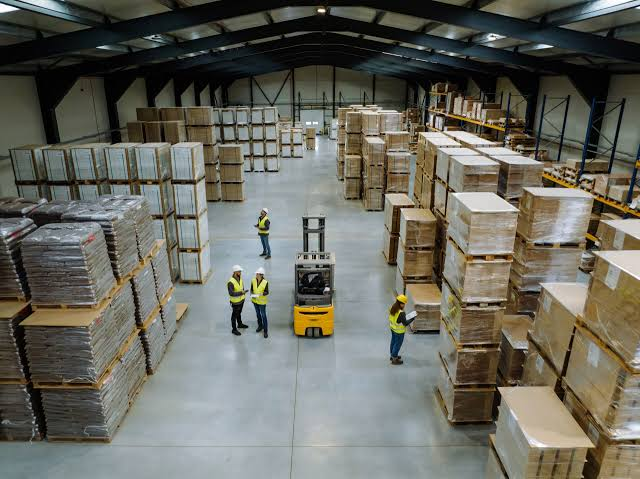
Products move through headquarters, vendors, stores, distributors, warehouses, ecommerce channels, and shopping centers. Some sell quickly. Others become overstock, shelf pulls, customer returns, discontinued goods, packaging-change inventory, or closeout lots.
Minnesota’s retail concentration is especially visible in the Twin Cities. Target lists its corporate campuses in Minneapolis and Brooklyn Park, Minnesota, while the Mall of America in Bloomington is one of the best-known retail and entertainment destinations in the country.
This combination creates a strong environment for bulk buyers, liquidation companies, and businesses that need to move excess inventory before it loses value.
Why Minnesota Creates Strong Retail Liquidation Opportunities
Minnesota’s retail landscape is not only about stores. It includes headquarters operations, vendors, suppliers, distribution networks, ecommerce sellers, shopping centers, promotional product companies, and consumer goods brands.
That creates many possible sources of surplus inventory.
Minnesota closeout inventory may include:
- Retail overstock
- Shelf pulls
- Customer returns
- Store closure inventory
- Consumer goods surplus
- Apparel and footwear
- Home goods
- Seasonal merchandise
- Electronics accessories
- Health and beauty products
- Toys
- Sporting goods
- Promotional products
- Packaging-change inventory
- Discontinued products
- Ecommerce overstock
- Damaged-box goods
- Warehouse cleanout inventory
For sellers, the challenge is not always product quality. Many closeout lots are perfectly usable. They simply no longer fit the active retail plan.
The Twin Cities Retail Ecosystem
Minneapolis, Saint Paul, Bloomington, Brooklyn Park, Edina, Eden Prairie, and surrounding communities form a strong commercial region.
The Twin Cities support:
- Corporate retail headquarters
- Shopping centers
- Warehouses
- Ecommerce brands
- Consumer goods companies
- Specialty retailers
- Wholesale suppliers
- Product vendors
- Regional distribution
- Office and store cleanouts
- Tourism-driven retail
Minnesota’s Department of Employment and Economic Development highlights the state’s strong business support ecosystem and notes that Minnesota continues to redefine retail through the Mall of America. It also identifies headquarters for major brands including Target, Best Buy, Dairy Queen, Red Wing Shoes, Sleep Number, Caribou Coffee, and others. Source: Minnesota DEED business ecosystem page.
This concentration matters because where there is retail concentration, there is also inventory movement. And where there is inventory movement, there is surplus.
Target HQ and the Retail Vendor Effect
Target’s presence in Minnesota gives the state national retail visibility. Target is headquartered in the Minneapolis area, and its corporate footprint connects Minnesota with buyers, vendors, consumer goods brands, logistics partners, and retail suppliers.
This does not mean surplus inventory comes directly from Target. The bigger point is that a major retail headquarters can shape the surrounding ecosystem.
Around large retailers, there are often:
- Product vendors
- Packaging suppliers
- Promotional product companies
- Consumer goods manufacturers
- Ecommerce sellers
- Store fixture suppliers
- Display vendors
- Freight providers
- Warehouse operators
- Marketing merchandise suppliers
- Retail service businesses
When these businesses overproduce, lose a retail program, change packaging, receive returns, or hold discontinued stock, they may need liquidation options.
Examples include:
- Cancelled retail orders
- Old packaging after a brand refresh
- Discontinued consumer goods
- Seasonal inventory after a program ends
- Shelf-ready products no longer needed
- Damaged-box inventory from distribution
- Overstock from vendor programs
- Promotional merchandise from completed campaigns
Bulk closeout buyers can help move this inventory faster than one-unit-at-a-time selling.
Mall of America and Retail Surplus Spillover
Mall of America creates another unique Minnesota retail factor.
The mall is a major shopping and entertainment destination with hundreds of stores, restaurants, attractions, and visitor-driven retail traffic. Its official site describes it as a leader in retail, entertainment, and attractions that has drawn tens of millions of visitors annually since opening.
Large shopping environments can create inventory movement across many categories.
Mall and shopping-center surplus may include:
- Apparel
- Footwear
- Accessories
- Toys
- Gifts
- Beauty products
- Electronics accessories
- Home décor
- Seasonal displays
- Store fixtures
- Branded merchandise
- Returned goods
- Shelf pulls
- Closing-store inventory
- Event merchandise
- Damaged-box products
Retailers operating in high-traffic environments often rotate inventory quickly. When a product line underperforms, when a tenant changes, or when seasonal displays are removed, excess goods may need to move fast.
That is where closeout buyers become useful.
What Types of Minnesota Retail Inventory Can Be Liquidated?
Minnesota businesses may need liquidation for many categories.
Common retail closeout categories include:
- Apparel and footwear
- Home goods
- Kitchen products
- Bedding and bath products
- Toys and games
- Health and beauty products
- Electronics accessories
- Office supplies
- Sporting goods
- Pet products
- Seasonal merchandise
- Promotional products
- Store fixtures
- Display inventory
- Customer returns
- Shelf pulls
- Overstocked SKUs
- Damaged-box goods
- Discontinued products
The best liquidation approach depends on product category, condition, quantity, seasonality, and resale restrictions.
Why Retail Overstock Builds Up
Retail overstock can happen even when a business is well-managed.
Common causes include:
- Over-ordering before peak season
- Demand forecasting errors
- Supplier minimum order quantities
- Retail buyer cancellations
- Slow-moving SKUs
- Product redesigns
- Packaging changes
- Seasonal demand shifts
- Store resets
- Ecommerce returns
- Damaged packaging
- Missed trend cycles
- Discontinued assortments
- Promotional campaign leftovers
A product may have sold well in one channel but failed in another. A color may underperform. A style may miss the trend window. A retailer may change its assortment. A vendor may be left with stock after a program ends.
When this happens, holding inventory too long can reduce recovery value.
Shelf Pulls and Store Reset Inventory
Shelf pulls are common in retail-heavy markets.
A shelf pull is inventory removed from shelves even though it may still be usable or sellable. This can happen because of:
- Planogram changes
- Packaging updates
- Seasonal resets
- Product discontinuation
- Retail space changes
- Store remodels
- New vendor programs
- Brand refreshes
- Slow sell-through
Shelf pulls may include new products, damaged-box products, open packaging, or mixed-condition inventory.
Closeout buyers often review shelf pulls in bulk when sellers can provide product lists, photos, quantities, and condition notes.
Customer Returns in Minnesota Retail
Customer returns are another major source of surplus.
Retail returns can include:
- Apparel returns
- Footwear returns
- Open-box electronics accessories
- Home goods returns
- Damaged-box products
- Beauty and personal care returns
- Toys and gifts
- Seasonal returns
- Online order returns
Returns can be costly because they require inspection, sorting, repackaging, restocking, or resale.
For some businesses, processing every return internally is not worth the labor cost. Bulk liquidation can help move returned goods faster, especially when products are mixed-condition or no longer suitable for primary retail channels.
Seasonal Retail Surplus in Minnesota
Seasonality creates another inventory challenge.
Minnesota retailers may handle strong seasonal demand across:
- Winter apparel
- Holiday merchandise
- Back-to-school products
- Summer outdoor goods
- Sporting goods
- Home décor
- Gift products
- Apparel and footwear
- Event merchandise
Seasonal inventory loses value when the selling window closes. A winter item may still be useful next year, but the business must calculate whether storage, handling, and cash flow delays are worth it.
For many sellers, liquidation helps convert seasonal overstock into working capital before the product becomes harder to move.
Liquidation vs. Discounting
Retailers often discount excess products first. Discounts can work for small quantities, but they may not be enough for large closeout lots.
Discounting requires:
- Floor space
- Online listings
- Promotional planning
- Customer service
- Fulfillment
- Returns handling
- Ongoing markdowns
- Time
Bulk liquidation may be better when:
- Inventory is available by pallet or truckload
- Products are discontinued
- Store fixtures or displays must be removed
- Public discounts would hurt brand value
- Products are seasonal
- Returns are piling up
- Products are damaged-box or shelf-pulled
- Selling one unit at a time would take too long
- Warehouse space is needed
A closeout buyer can evaluate the full lot and help move it into secondary channels.
What Closeout Buyers Look For
Closeout buyers usually evaluate inventory based on practical resale factors.
They may ask for:
- Product category
- SKU or UPC list
- Brand names
- Quantity by item
- Product condition
- Photos
- Retail value
- Wholesale cost, if available
- Pallet count
- Box count
- Warehouse location
- Whether products are new, returned, open-box, damaged-box, or shelf-pulled
- Whether inventory is seasonal
- Any resale restrictions
- Desired pickup timeline
The more organized the inventory is, the faster buyers can review it.
Businesses can start by visiting the Liquidate Products homepage or by submitting inventory through the Submit Your Inventory page.
Brand Protection for Minnesota Sellers
Some sellers need discreet liquidation.
This is especially true for consumer goods brands, retail vendors, private-label suppliers, and businesses that do not want discounted products competing with active retail channels.
Brand protection may include:
- Marketplace restrictions
- Geographic controls
- NDA practices
- No public use of brand names
- No resale through certain platforms
- Export-only channels where suitable
- De-branding where appropriate
- Private buyer review
Sellers should communicate these restrictions before accepting an offer.
A closeout buyer that understands brand protection can help reduce the risk of channel conflict.
Channel Strategy for Twin Cities Retail Surplus
Not every surplus lot should be handled the same way.
Use this simple framework:
Hold
Hold evergreen products that still sell profitably and do not create storage pressure.
Discount
Discount small quantities when demand still exists and public markdowns will not hurt brand value.
Reallocate
Move inventory to another store, warehouse, region, or ecommerce channel where demand is stronger.
Liquidate
Liquidate large lots, discontinued products, shelf pulls, customer returns, seasonal goods, store closure inventory, and damaged-box products that are costly to hold.
Why Bulk Buyers Matter in Minnesota
Bulk buyers help Minnesota businesses avoid the slow process of moving surplus one item at a time.
This can help businesses:
- Recover cash
- Clear warehouse space
- Handle retail returns
- Move shelf pulls
- Clear discontinued products
- Reduce storage costs
- Avoid deep public markdowns
- Prepare for new inventory
- Support store cleanouts
- Improve inventory turnover
For retail-heavy markets like the Twin Cities, timing matters. The earlier inventory is reviewed, the more recovery options sellers may have.
When Minnesota Businesses Should Contact Closeout Buyers
Businesses should contact closeout buyers when:
- Inventory is no longer selling profitably
- Products are discontinued
- A retail program has ended
- Customer returns are piling up
- Store resets leave shelf pulls behind
- Seasonal products are losing relevance
- Warehouse space is limited
- Public discounting is not enough
- A store is closing or remodeling
- Ecommerce returns become too costly to process
- Cash recovery is more important than waiting
The best time to liquidate is usually before inventory becomes urgent.
How Liquidate Products Helps Minnesota Sellers
Liquidate Products helps businesses sell overstock, closeouts, customer returns, shelf pulls, damaged-box goods, discontinued products, and surplus inventory in bulk.
For Minnesota businesses, this may include Twin Cities retail surplus, Mall of America-related closeouts, consumer goods, ecommerce returns, store reset inventory, home goods, apparel, toys, seasonal products, and promotional merchandise.
Sellers can submit product details, quantities, condition notes, photos, and location for review.
You can also explore more inventory liquidation topics on the Liquidate Products blog.
Final Thoughts
Minnesota’s retail concentration creates strong opportunities for closeout buyers. With Target’s headquarters in the Minneapolis area, the Mall of America in Bloomington, and a deep Twin Cities business ecosystem, the state naturally creates surplus inventory movement.
For businesses searching for closeout buyers Minnesota Twin Cities retail, bulk liquidation can help turn retail surplus into working capital before products lose value.
Whether the inventory includes shelf pulls, customer returns, apparel, home goods, toys, electronics accessories, seasonal products, damaged-box goods, or store closure inventory, the key is to act early.
Ready to sell Minnesota retail surplus in bulk? Visit Liquidate Products or submit your inventory through the Submit Your Inventory page to request a bulk liquidation quote.