
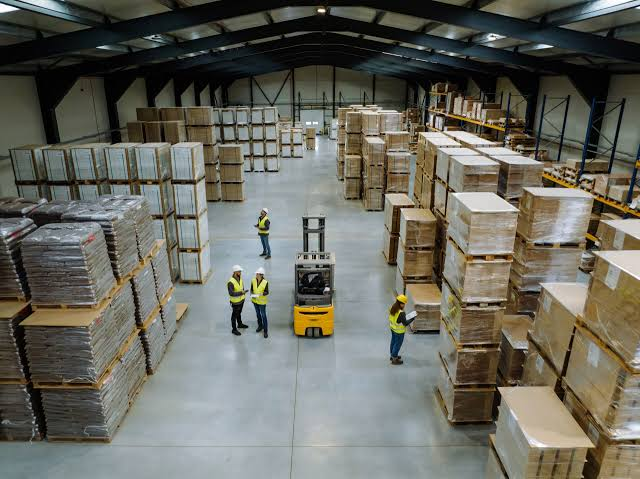
Missouri sits in one of the most important positions for inventory movement in the United States. With access to major highways, rail lines, river freight, airports, warehousing, manufacturing, distribution, and regional retail markets, the state acts as a natural liquidation crossroads.
For businesses searching for bulk buyers Missouri St. Louis Kansas City liquidation, this central location matters.
Inventory liquidation is not only about finding someone willing to buy overstock. It is also about moving products efficiently. Missouri’s position between the Midwest, South, Plains, and national trade corridors gives sellers a practical advantage when they need to clear pallets, truckloads, warehouse surplus, closeouts, returns, or discontinued goods.
The Missouri Partnership logistics page describes Missouri as a prime hub for distribution and logistics because of its central location, transportation network, rail access, airports, and connections to major markets. That same infrastructure helps businesses move liquidation inventory into secondary channels.
For St. Louis, Kansas City, and surrounding Missouri businesses, liquidation can turn slow-moving inventory into working capital before products lose more value.
Why Missouri Is a Strong Liquidation Market
Missouri’s location makes it useful for many types of inventory movement. Goods can move east, west, north, or south without being limited to one regional market.
This helps liquidation buyers evaluate and redirect inventory from:
- Retail stores
- Warehouses
- Distribution centers
- Manufacturing facilities
- Ecommerce sellers
- Consumer goods brands
- Food and beverage suppliers
- Industrial suppliers
- Store closures
- 3PL facilities
- Wholesale cancelled orders
- Customer return operations
Missouri surplus may include:
- Retail closeouts
- Manufacturing surplus
- Consumer goods overstock
- Food-adjacent products
- Home goods
- Apparel
- Electronics accessories
- Health and beauty products
- Seasonal merchandise
- Shelf pulls
- Customer returns
- Packaging-change inventory
- Damaged-box goods
- Warehouse cleanout lots
- Industrial supplies
- Promotional products
Because Missouri is already connected to major freight routes, sellers may have more practical options for moving bulk lots quickly.
St. Louis as a Liquidation and Distribution Market
St. Louis has long been tied to river, rail, road, manufacturing, agriculture, healthcare, and distribution activity. Its location near the Mississippi River and its access to major transportation corridors make it a strong market for inventory movement.
St. Louis-area liquidation opportunities may come from:
- Manufacturing surplus
- Food and beverage suppliers
- Agricultural products and packaging
- Healthcare-adjacent goods
- Retail closeouts
- Home goods
- Industrial supplies
- Packaging overstock
- Warehouse cleanouts
- Consumer goods distribution
- Office and facility surplus
St. Louis is especially relevant for businesses handling products connected to manufacturing, food, agriculture, retail distribution, and general merchandise.
A manufacturer may need to clear finished goods after a cancelled order. A distributor may have damaged-box products sitting in a warehouse. A food-adjacent supplier may need to move non-perishable packaging or storage goods. A retailer may have shelf pulls after a store reset.
In each case, liquidation can help recover cash and free space.
Kansas City as a Midwest Logistics Hub
Kansas City is one of the strongest logistics and industrial markets in the Midwest. The Economic Development Corporation of Kansas City describes Kansas City as a top U.S. industrial hub for warehousing, distribution, and manufacturing space, supported by transportation access, real estate availability, operating costs, and infrastructure.
This creates steady liquidation opportunities for Kansas City businesses.
Kansas City surplus may include:
- Distribution center overstock
- Ecommerce returns
- 3PL warehouse surplus
- Food and beverage inventory
- Cold-chain-adjacent goods
- Manufacturing surplus
- Safety supplies
- Consumer goods
- Retail closeouts
- Automotive and industrial supplies
- Packaging materials
- Promotional merchandise
- Home goods
- Damaged-box goods
The Missouri Department of Economic Development has also highlighted Kansas City’s logistics strength in recent distribution announcements, noting the region’s central location, skilled workforce, and connectivity for manufacturing, distribution, and supply chain companies. Source: Missouri Department of Economic Development.
For liquidation, this means Kansas City is well-positioned to move bulk inventory into regional or national resale channels.
What Industries Generate the Most Surplus in Missouri?
Missouri’s surplus market is created by several industries, not one single category.
1. Manufacturing Surplus
Manufacturing surplus is one of the strongest liquidation categories in Missouri.
It may include:
- Finished goods
- Excess components
- Machinery parts
- Tools and accessories
- Safety supplies
- Industrial supplies
- Packaging materials
- Overstocked products
- Cancelled order inventory
- Discontinued product lines
- Warehouse cleanout goods
Manufacturing surplus often happens when production runs exceed demand, customers cancel orders, product lines change, packaging updates, or warehouses consolidate stock.
Bulk buyers can help move this inventory faster than waiting for slow resale or internal reuse.
2. Retail Closeouts
Retailers in St. Louis, Kansas City, Springfield, Columbia, Independence, St. Charles, and other Missouri markets may need liquidation for unsold inventory.
Retail closeouts may include:
- Apparel
- Shoes
- Home goods
- Kitchen products
- Beauty products
- Toys
- Seasonal items
- Sporting goods
- Pet products
- Electronics accessories
- Office supplies
- Shelf pulls
- Store closure inventory
Retail closeouts often happen after seasonal resets, store closures, product discontinuations, or slow sell-through.
If the inventory is available by pallet or truckload, bulk liquidation may be faster than ongoing markdowns.
3. Food and Beverage Surplus
Missouri’s logistics position supports food and beverage distribution, warehousing, and related supply chains.
Food and beverage surplus may include:
- Non-perishable goods, where compliant
- Food-adjacent products
- Packaging materials
- Bottles, jars, cartons, and labels
- Food service supplies
- Storage products
- Kitchen-related consumer goods
- Promotional food merchandise
- Cleaning and facility supplies
- Damaged-box goods
Important note: expired, recalled, temperature-sensitive, unsafe, hazardous, or restricted food products should not be treated like ordinary liquidation inventory. Sellers must follow all applicable safety and compliance requirements.
However, many food-adjacent goods, packaging materials, and non-regulated supplies can be reviewed for liquidation if properly documented.
4. Ecommerce and 3PL Overstock
Missouri’s central location makes it attractive for ecommerce sellers, fulfillment networks, and third-party logistics providers.
Ecommerce surplus may include:
- Amazon seller overstock
- FBA removals
- Customer returns
- Open-box products
- Damaged-box goods
- Slow-moving SKUs
- Product test failures
- Marketplace inventory that stopped performing
- Packaging-change inventory
- Private-label goods
- Cancelled wholesale lots
Ecommerce sellers often need liquidation when storage costs rise, ads stop performing, or products become difficult to sell one unit at a time.
5. Consumer Goods and Home Goods
Consumer goods are another major Missouri liquidation category.
Examples include:
- Home décor
- Bedding and bath
- Kitchen products
- Small appliances
- Cleaning products
- Health and beauty goods
- Personal care items
- Toys
- Pet products
- Office products
- Seasonal goods
- Damaged-box merchandise
- Returned goods
These products may come from retailers, distributors, ecommerce sellers, or warehouse cleanouts.
6. Industrial and Safety Supplies
Missouri’s manufacturing, logistics, and warehouse sectors can also generate industrial surplus.
Examples include:
- Safety gear
- Gloves
- PPE
- Workwear
- Tools
- Hardware
- Facility supplies
- Storage equipment
- Industrial packaging
- Maintenance supplies
Some of these products may have strong secondary-market demand if they are new, usable, documented, and compliant.
Why Missouri’s Location Helps Liquidation Buyers
Location matters in liquidation because transportation costs affect recovery value.
A buyer may be more interested in a large lot if the inventory is located near strong freight routes, distribution centers, or regional resale markets.
Missouri’s central position can help with:
- Faster pickup planning
- Regional redistribution
- Lower freight friction
- Access to multiple resale markets
- Easier truckload movement
- Warehouse cleanouts
- Palletized inventory movement
- Multi-state buyer reach
For sellers, this can make bulk liquidation more practical than storing inventory indefinitely.
Why Businesses Get Stuck with Surplus Inventory
Surplus builds up for many reasons.
Common causes include:
- Overproduction
- Forecasting mistakes
- Retail buyer cancellations
- Store closures
- Ecommerce returns
- Seasonal demand shifts
- Product redesigns
- Packaging changes
- Supplier minimum order quantities
- Warehouse consolidation
- Damaged packaging
- Product discontinuation
- Missed trend cycles
- Slow marketplace demand
The longer inventory sits, the harder it can be to recover value.
Storage, labor, insurance, handling, depreciation, damage risk, and opportunity cost all reduce recovery over time.
Liquidation vs. Holding Inventory
Holding inventory may make sense when products are evergreen, compact, current, and likely to sell soon.
Holding may not make sense when:
- Products are discontinued
- Packaging has changed
- Warehouse space is limited
- Products are seasonal
- Inventory is available by pallet or truckload
- Customer returns are piling up
- Products are damaged-box or shelf-pulled
- Storage costs are increasing
- Cash is needed for new inventory
- Unit-by-unit resale would take too long
Liquidation helps businesses turn inactive inventory into usable cash.
Liquidation vs. Public Discounting
Public discounting can work for small quantities, but it can create problems for larger lots.
Discounting may require:
- Store space
- Online listings
- Advertising
- Customer service
- Fulfillment
- Returns handling
- Ongoing markdowns
- Public price reductions
Bulk liquidation may be better when:
- Inventory is available by pallet or truckload
- Products are discontinued
- Public markdowns would hurt brand value
- Selling one unit at a time would take too long
- Products are mixed-condition
- Inventory is blocking warehouse space
- Sellers need faster cash recovery
A bulk buyer can evaluate the full lot and help move inventory through secondary channels.
What Missouri Bulk Buyers Look For
Bulk buyers evaluate inventory based on category, quantity, condition, location, resale demand, and restrictions.
They may ask for:
- Product category
- SKU or UPC list
- Quantity by item
- Brand names
- Photos
- Product condition
- Retail value
- Wholesale cost, if available
- Pallet count
- Box count
- Warehouse location
- Whether inventory is new, returned, open-box, shelf-pulled, or damaged-box
- Whether products are seasonal
- Any expiration dates
- Any resale restrictions
- Desired pickup timeline
The clearer the inventory details, the faster the review process.
Businesses can start by visiting the Liquidate Products homepage or by submitting inventory through the Submit Your Inventory page.
Brand Protection for Missouri Sellers
Some businesses need discreet liquidation.
This is common for consumer goods brands, private-label sellers, ecommerce companies, retailers, and manufacturers that do not want discounted products appearing in the wrong channels.
Brand protection may include:
- Marketplace restrictions
- Geographic resale controls
- NDA practices
- No public use of brand names
- Export-only options where suitable
- Buyer vetting
- De-branding where appropriate
- Restrictions on damaged-box goods
- Private buyer review
A higher offer is not always better if it creates brand conflict or retail-channel damage.
Channel Strategy for Missouri Surplus
A smart surplus strategy can include several options.
Hold
Hold products that are current, compact, and likely to sell profitably soon.
Reallocate
Move inventory to another warehouse, store, region, customer, or sales channel where demand is stronger.
Discount
Discount small quantities when public markdowns will not damage brand value.
Liquidate
Liquidate large lots, discontinued products, manufacturing surplus, retail closeouts, shelf pulls, customer returns, ecommerce overstock, damaged-box goods, and warehouse cleanout inventory.
Recycle or Dispose Properly
For expired, recalled, unsafe, hazardous, restricted, or non-compliant goods, liquidation may not be appropriate. Sellers should follow proper disposal or compliance procedures.
How Liquidate Products Helps Missouri Sellers
Liquidate Products helps businesses sell overstock, closeouts, customer returns, shelf pulls, damaged-box products, discontinued goods, packaging-change inventory, warehouse surplus, and bulk inventory.
For Missouri sellers, this may include St. Louis manufacturing surplus, Kansas City logistics overstock, consumer goods, food-adjacent products, ecommerce returns, retail closeouts, and industrial supplies.
Sellers can submit product details, quantities, photos, condition notes, and location for review.
You can also explore more inventory liquidation topics on the Liquidate Products blog.
Final Thoughts
Missouri’s central position makes it one of the most practical liquidation markets in the Midwest. St. Louis and Kansas City both support major inventory movement through logistics, manufacturing, retail, ecommerce, distribution, and consumer goods channels.
For businesses searching for bulk buyers Missouri St. Louis Kansas City liquidation, the key is to act before surplus inventory loses more value.
Whether the inventory includes manufacturing surplus, retail closeouts, ecommerce returns, food-adjacent products, home goods, shelf pulls, damaged-box goods, industrial supplies, or warehouse cleanout lots, bulk liquidation can help recover cash and clear space.
The best results usually come from early action, clear documentation, and a buyer that understands both the product category and the logistics advantage of Missouri.
Ready to sell Missouri surplus inventory in bulk? Visit Liquidate Products or submit your inventory through the Submit Your Inventory page to request a bulk liquidation quote.