
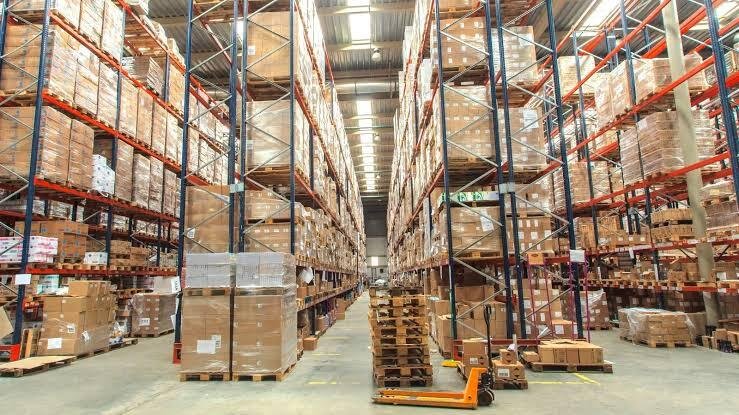
Nashville is no longer known only for music, tourism, and healthcare. It is also becoming one of the most important logistics and distribution markets in the South. For businesses searching for inventory liquidation Tennessee Nashville logistics, this matters because logistics growth often creates one common challenge: surplus inventory.
When a region has strong warehousing, transportation, healthcare, retail, ecommerce, and distribution activity, inventory moves quickly. But not every product sells as planned. Some inventory becomes overstock. Some is returned. Some is discontinued. Some is tied to cancelled orders, warehouse cleanouts, packaging changes, or seasonal demand shifts.
That is where liquidation becomes useful.
Tennessee’s central location gives businesses access to major U.S. markets, and the Tennessee Department of Economic and Community Development promotes the state as a strong distribution and logistics location because of its transportation infrastructure, workforce, and proximity to customers.
For Nashville-area companies, this creates a strong environment for inventory movement — and a real need for reliable liquidation options.
Why Nashville Is Becoming a Southern Logistics Hub
Nashville sits in a strong position for regional distribution. It connects Tennessee businesses with the Southeast, Midwest, and broader U.S. market through highways, warehouse networks, freight activity, and growing industrial development.
Industry reports have also described Nashville as an emerging inland freight market connecting Southeast ports with Midwest distribution routes.
This matters for liquidation because logistics hubs naturally create inventory pressure.
Businesses in and around Nashville may need to liquidate:
- Overstock products
- Customer returns
- Shelf pulls
- Discontinued goods
- Home goods surplus
- Healthcare-related supplies
- Warehouse closeout inventory
- Music industry merchandise
- Ecommerce overstock
- Retail closeouts
- Promotional products
- Damaged-box goods
- Packaging-change inventory
- Slow-moving inventory
- Cancelled wholesale orders
When inventory is already located near a logistics hub, it can be easier to evaluate, pick up, ship, or move into secondary channels.
Nashville’s Healthcare Economy and Surplus Inventory
Healthcare is one of Nashville’s strongest business sectors. HCA Healthcare, one of the largest healthcare companies in the United States, is headquartered in the Nashville area, with corporate offices at One Park Plaza.
This does not mean liquidation is only for hospitals or major healthcare companies. The larger point is that Nashville has a deep healthcare business ecosystem. Around major healthcare organizations, there are suppliers, distributors, administrative offices, service providers, vendors, equipment sellers, and support businesses.
Healthcare-related surplus may include:
- Non-regulated medical office supplies
- Administrative office supplies
- Packaging-change inventory
- Wellness products
- Health and beauty items
- Personal care products
- Storage supplies
- Office furniture
- Promotional products
- Discontinued non-prescription goods
- Overstock from healthcare vendors
- Returned or excess consumer health products
Important note: restricted, prescription, regulated, expired, or hazardous medical products require special compliance handling and may not be suitable for standard liquidation channels.
However, many healthcare-adjacent businesses carry general merchandise, office inventory, wellness products, and non-regulated supplies that can become overstock. These products may be suitable for liquidation if they are safe, compliant, and properly documented.
Home Goods Overstock in Tennessee
Tennessee also supports a strong home goods, retail, ecommerce, and distribution market. Nashville’s population growth, housing activity, retail expansion, and regional warehousing make home goods a common liquidation category.
Home goods overstock may include:
- Kitchen products
- Small appliances
- Bedding
- Bath products
- Décor
- Storage products
- Furniture
- Lighting
- Rugs
- Seasonal home items
- Patio products
- Cleaning supplies
- Home organization products
- Damaged-box goods
- Retail shelf pulls
- Returned home products
Home goods can become overstock for several reasons. A retailer may over-order before peak season. An ecommerce seller may have slow-moving SKUs. A distributor may receive cancelled wholesale inventory. A product line may be replaced by a new design. A warehouse may need space for faster-moving goods.
Unlike some categories, home goods can take up significant warehouse space. Bulky products such as furniture, bedding, kitchen appliances, patio items, and storage products can become expensive to hold.
For these sellers, liquidation can help recover cash and clear space faster than waiting for slow retail sell-through.
Music Industry Merchandise and Nashville Closeouts
Nashville’s music industry creates another unique liquidation opportunity: merchandise.
The city’s music economy includes artists, venues, labels, promoters, touring companies, festivals, retail shops, event vendors, and merchandise businesses. Nashville’s music industry study has highlighted merchandising as an important part of the broader music business.
- Tour merchandise
- Event T-shirts
- Hoodies
- Hats
- Posters
- Accessories
- Promotional products
- Branded drinkware
- Music festival merchandise
- Retail gift shop inventory
- Venue merchandise
- Cancelled event stock
- Outdated artist merchandise
- Overstock from seasonal events
Music merchandise can lose value quickly when a tour ends, an artist campaign changes, a festival season passes, or an event is cancelled. A shirt connected to a specific date or tour may be difficult to sell at full value after the event window closes.
For merchandise companies, liquidation can help recover value before inventory becomes difficult to move.
Why Inventory Builds Up in Logistics Markets
A strong logistics market helps products move, but it can also hide inventory problems.
When companies have access to warehouse space, fulfillment partners, freight lanes, and distribution networks, it can become easy to keep inventory longer than necessary. But every extra month has a cost.
Inventory builds up because of:
- Demand forecasting mistakes
- Seasonal over-ordering
- Retail buyer cancellations
- Ecommerce returns
- Product packaging changes
- Slow-moving SKUs
- Product line updates
- Warehouse consolidation
- Store closures
- Event cancellations
- Supplier overproduction
- Marketplace competition
- High storage costs
- Changes in consumer demand
If the inventory is not moving profitably, holding it may not be the best choice.
What Types of Inventory Can Tennessee Businesses Liquidate?
Tennessee businesses may be able to liquidate many types of surplus inventory, including:
- Healthcare-adjacent supplies
- Home goods
- Kitchenware
- Bedding and bath products
- Music merchandise
- Promotional products
- Apparel
- Consumer electronics accessories
- Office supplies
- Furniture
- Customer returns
- Shelf pulls
- Open-box goods
- Damaged-box products
- Seasonal merchandise
- Discontinued items
- Warehouse cleanout inventory
- Ecommerce overstock
- Retail closeouts
The key is documentation. Buyers need to know what the inventory is, how much is available, where it is located, and what condition it is in.
Healthcare Surplus: What Sellers Should Prepare
For healthcare-adjacent inventory, sellers should be especially clear about product type and condition.
Prepare:
- Product category
- Brand names
- Quantity
- SKU or UPC list
- Expiration dates if applicable
- Product condition
- Whether products are regulated or non-regulated
- Packaging condition
- Photos
- Pallet count
- Warehouse location
- Any compliance restrictions
- Whether products are new, returned, or damaged-box
Restricted, prescription, controlled, hazardous, or expired healthcare products should not be treated like general consumer goods. Sellers should separate these from standard liquidation lots and seek proper compliance guidance.
For non-regulated supplies, wellness products, office goods, and general merchandise, a liquidation buyer may be able to review the lot more easily.
Home Goods Liquidation Strategy
Home goods sellers should think carefully about storage cost and product size.
A small item may be worth holding longer. But bulky home goods can quickly take up space that could be used for faster-moving inventory.
Home goods liquidation may make sense when:
- Products are seasonal
- Packaging is changing
- Inventory is bulky
- A style or design is discontinued
- Warehouse space is limited
- Retailers no longer want the product
- Ecommerce sales have slowed
- Returns are building up
- The product is available by pallet or truckload
For businesses with large quantities, bulk liquidation is often faster than selling unit by unit.
Music Merchandise Liquidation Strategy
Music merchandise needs a different approach because timing and branding matter.
A music merchandise lot may be tied to:
- A specific artist
- A tour date
- A festival
- A venue
- A campaign
- A season
- A cancelled event
- An old logo
- A licensing agreement
Before liquidating music merchandise, sellers should check whether any resale restrictions apply. Some branded merchandise may need approval before resale. Some inventory may be better suited for controlled channels, donation, export, or private bulk sale.
Music merchandise liquidation may make sense when:
- A tour has ended
- A festival season is over
- A campaign changed
- The artist branding changed
- The inventory is date-specific
- Event stock is left over
- Products are taking up storage space
- The seller wants to recover cash quickly
Liquidation vs. Discounting
Many businesses first try to discount excess inventory. This can work for smaller quantities, but it is not always the best strategy for bulk lots.
Discounting may require:
- Product listings
- Advertising
- Customer service
- Packing and shipping
- Returns handling
- Marketplace fees
- Long sell-through timelines
- Public price reductions
Liquidation may be better when:
- Inventory is available by pallet or truckload
- Products are seasonal
- Items are discontinued
- Public discounts could hurt brand value
- Warehouse space is needed
- Returns are mixed-condition
- Selling one unit at a time would take too long
- Cash recovery matters more than maximum retail price
A liquidation buyer can review the full lot and help move it through secondary channels.
Nashville Channel Strategy: Where Should Surplus Go?
Not all inventory should go to the same channel.
A strong liquidation strategy may include:
Hold
Hold inventory that is evergreen, compact, and still likely to sell profitably.
Discount
Discount small quantities when demand still exists and public markdowns will not hurt brand value.
Reallocate
Move inventory to another store, region, warehouse, or sales channel where demand is stronger.
Liquidate
Liquidate large lots, discontinued products, returns, seasonal goods, bulky home items, outdated merchandise, or inventory that is costing more to hold than it is worth.
Use Confidential Controls
For brand-sensitive healthcare suppliers, home goods brands, or music merchandise companies, confidential handling may be important. Sellers can request marketplace restrictions, geographic controls, NDA practices, or private buyer review where appropriate.
What Inventory Liquidation Buyers Need From Tennessee Sellers
Before contacting a buyer, prepare:
- Product list
- SKU or UPC list
- Product category
- Quantity by item
- Photos
- Condition notes
- Retail value
- Wholesale cost, if available
- Pallet count
- Box count
- Warehouse location
- Whether items are new, returned, open-box, or damaged-box
- Any expiration dates
- Any resale restrictions
- Desired pickup timeline
The more organized the inventory information is, the faster the review process can move.
Businesses can begin by visiting the Liquidate Products or by submitting inventory through the Submit Your Inventory page.
Why Bulk Liquidation Helps Nashville Businesses
Bulk liquidation helps Tennessee businesses avoid the slow process of selling inventory one unit at a time.
It can help:
- Recover cash
- Clear warehouse space
- Reduce storage costs
- Move customer returns
- Handle seasonal goods
- Clear discontinued products
- Avoid public markdowns
- Support warehouse cleanouts
- Improve inventory turnover
- Prepare for new product lines
- Move event merchandise after campaigns end
For Nashville businesses, liquidation can be especially useful because the region’s logistics strength makes it easier to move inventory once a buyer is identified.
When Tennessee Businesses Should Consider Liquidation
Consider liquidation when:
- Inventory is not selling profitably
- Products are taking up too much space
- A product line is discontinued
- Customer returns are piling up
- Seasonal demand has passed
- A retail buyer cancelled an order
- Packaging has changed
- Event merchandise is outdated
- Home goods are too bulky to keep
- Healthcare-adjacent inventory is excess or discontinued
- Public discounts would hurt brand value
- Cash is needed for new inventory
The earlier a business reviews its surplus, the more recovery options it usually has.
Final Thoughts
Nashville’s role as a Southern logistics hub creates strong opportunities for businesses, but it also creates inventory challenges. Healthcare suppliers, home goods sellers, ecommerce businesses, retailers, distributors, and music merchandise companies can all end up with excess stock that needs to move.
For businesses searching for inventory liquidation Tennessee Nashville logistics, the goal is not just to clear inventory. The goal is to recover value before that inventory becomes harder and more expensive to move.
Whether the inventory includes healthcare-adjacent supplies, home goods, music merchandise, customer returns, discontinued goods, or warehouse closeout stock, liquidation can help turn surplus into working capital.
Ready to sell Tennessee overstock, Nashville logistics surplus, healthcare-adjacent inventory, home goods, or music merchandise in bulk? Visit Liquidate Products or submit your inventory through the Submit Your Inventory page to request a bulk liquidation quote.