
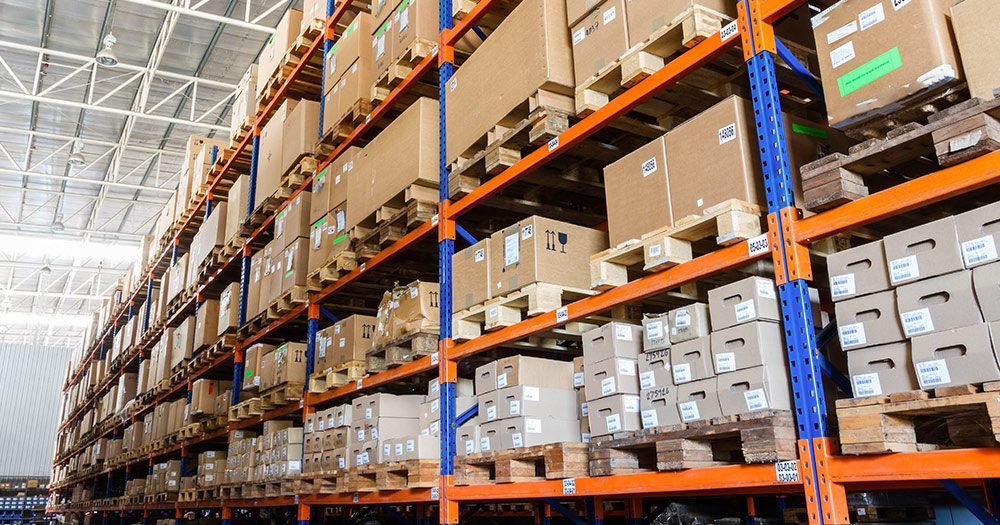
Business crises come in many forms; economic downturns, supply chain disruptions, unexpected market shifts, declining sales, or major operational changes. When cash flow tightens and financial pressure mounts, every business decision becomes critical. While most companies focus on cutting costs and increasing revenue, one often-overlooked solution sits right in your warehouse: excess inventory.
Liquidating excess inventory during a business crisis isn’t a sign of failure—it’s a strategic move that can provide the immediate capital injection needed to stabilize operations, preserve jobs, and position your business for recovery. This comprehensive guide explores how working with experienced closeout buyers and liquidators can help your business navigate challenging times and emerge stronger.
Understanding Business Crises and Their Impact
A business crisis is any situation that threatens your company’s financial stability, operations, or future viability. Common triggers include:
Economic Downturns: Recessions, market crashes, or industry-specific contractions that reduce consumer spending and business investment.
Cash Flow Emergencies: Situations where expenses exceed revenue, making it difficult to meet payroll, pay suppliers, or maintain operations.
Market Disruptions: Sudden changes in consumer preferences, competitive pressures, or technological shifts that render products less desirable.
Supply Chain Challenges: Disruptions that create inventory imbalances, forcing businesses to hold more stock than they can sell.
Operational Changes: Business restructuring, location closures, product line discontinuations, or ownership transitions.
External Shocks: Pandemics, natural disasters, regulatory changes, or other unexpected events that fundamentally alter business conditions.
During these crises, excess inventory becomes particularly problematic. Products that seemed like assets suddenly become liabilities—tying up capital, consuming storage space, and generating ongoing costs while market conditions make them harder to sell at full price.
Why Excess Inventory Becomes Critical During a Crisis
In normal times, holding some excess inventory provides a buffer against demand spikes and supply delays. But during a business crisis, that same inventory transforms from a safety net into an anchor:
Capital Starvation: Money invested in unsold inventory is capital you can’t use for payroll, rent, emergency expenses, or strategic pivots. When every dollar counts, locked-up inventory capital becomes increasingly painful.
Accelerated Depreciation: During crises, product values often decline faster than normal. Technology becomes obsolete more quickly, fashion trends shift, and consumer preferences change—all while your inventory sits depreciating in the warehouse.
Mounting Carrying Costs: Storage, insurance, utilities, and labor costs continue accumulating even as revenue declines. According to NetSuite, inventory holding costs typically comprise 20% to 30% of total inventory value annually—costs that become unsustainable during financial stress.
Opportunity Cost: Every day inventory sits unsold during a crisis represents missed opportunities to invest recovered capital in solutions, pivots, or survival strategies.
Psychological Burden: Warehouses full of unsold inventory create stress and uncertainty for leadership teams trying to navigate recovery strategies.
Working with professional closeout buyers and liquidators addresses all these challenges by quickly converting stagnant assets into working capital.
How Liquidating Excess Inventory Helps During a Crisis
Strategic inventory liquidation provides multiple benefits when your business faces challenges:
Immediate Cash Flow Relief
The most obvious benefit of working with closeout buyers and liquidators is rapid capital recovery. Unlike traditional sales channels that might take months, professional liquidation can inject cash into your business within days or weeks.
This immediate capital can:
- Cover urgent payroll obligations
- Pay critical suppliers to maintain operations
- Fund necessary pivots or strategic changes
- Provide breathing room to develop recovery plans
- Prevent emergency borrowing at unfavorable terms
At Liquidate Products, we understand the urgency of business crises and work to provide fast quotes and fair transactions that deliver capital when you need it most.
Reduced Operating Expenses
Beyond capital recovery, liquidating excess inventory through closeout buyers and liquidators eliminates ongoing carrying costs:
- Storage Costs: Free up warehouse space or reduce facility expenses entirely
- Insurance: Lower premiums by reducing inventory values
- Labor: Reduce staff time spent managing, counting, and moving excess stock
- Utilities: Decrease climate control and lighting costs for unused space
These expense reductions directly improve your bottom line during critical periods when every cost matters.
Strategic Flexibility
Cash-rich, inventory-light businesses have more strategic options during crises:
- Pivot Faster: Without excess inventory weighing you down, you can more easily shift to new products, markets, or business models
- Negotiate Better: Strong cash positions improve your negotiating power with suppliers, landlords, and partners
- Respond Quickly: When opportunities emerge during or after crises, liquid capital enables rapid response
- Make Bold Decisions: Financial flexibility allows you to make necessary strategic changes without inventory constraints
Professional closeout buyers and liquidators enable this flexibility by quickly clearing inventory obstacles.
Psychological and Organizational Benefits
The impact of liquidating excess inventory extends beyond finances:
Leadership Clarity: Clearing excess inventory removes a major distraction, allowing leadership to focus on core recovery strategies rather than inventory management problems.
Team Morale: Employees feel more confident about business stability when they see decisive action being taken to address challenges.
Stakeholder Confidence: Investors, lenders, and partners appreciate businesses that take proactive steps to strengthen their financial position during difficulties.
Mental Space: The psychological relief of converting a problem (excess inventory) into a solution (working capital) cannot be overstated for business leaders under stress.
Common Crisis Situations Where Liquidation Helps
Let’s examine specific scenarios where working with closeout buyers and liquidators provides critical support:
Economic Recessions
During economic downturns, consumer spending contracts and inventory turnover slows. Products that moved quickly in good times sit in warehouses during recessions.
Liquidation Solution: Rather than holding inventory hoping for recovery while burning cash on carrying costs, strategic liquidation through closeout buyers and liquidators converts stagnant stock into capital that can sustain operations until conditions improve.
Product Line Discontinuations
When discontinuing products due to poor performance, strategic shifts, or supplier changes, remaining inventory becomes a liability with declining value.
Liquidation Solution: Professional closeout buyers and liquidators understand discontinued product markets and can provide fair pricing for inventory that no longer fits your business model, clearing space and capital for more promising products.
Store or Location Closures
Closing underperforming locations creates immediate inventory challenges—what do you do with stock from closing stores, especially if other locations can’t absorb it?
Liquidation Solution: Rather than deeply discounting inventory and damaging brand perception, working with closeout buyers and liquidators provides confidential disposition that recovers value while maintaining brand integrity.
Unexpected Market Shifts
Sudden changes in consumer behavior, competitive pressures, or external events (like pandemics) can instantly create excess inventory of products that were selling well until circumstances changed.
Liquidation Solution: Quick action with experienced closeout buyers and liquidators minimizes value loss by moving inventory before further depreciation occurs, recovering maximum capital while conditions remain relatively stable.
Cash Flow Crises
When expenses exceed revenue and credit lines tighten, businesses face existential cash flow challenges that threaten operations.
Liquidation Solution: Emergency liquidation through closeout buyers and liquidators provides the fastest possible capital recovery, potentially saving the business from bankruptcy or forced closure.
Supplier or Partnership Failures
When key suppliers fail, partnerships dissolve, or business relationships end unexpectedly, you may find yourself holding inventory you can no longer support or sell effectively.
Liquidation Solution: Professional closeout buyers and liquidators can quickly purchase orphaned inventory from failed partnerships, recovering capital to establish new relationships or exit markets cleanly.
How to Approach Crisis Liquidation Strategically
While liquidating excess inventory provides clear benefits during crises, strategic approach matters:
Act Quickly But Thoughtfully
Speed Matters: The longer you wait, the more carrying costs accumulate and the more value depreciates. However, panic decisions can leave money on the table.
Strategic Evaluation: Take time to identify which inventory should be liquidated immediately versus which might still serve your business. Focus liquidation efforts on stock that no longer aligns with your recovery strategy.
Working with experienced closeout buyers and liquidators like Liquidate Products helps balance speed with strategic thinking—we can quickly evaluate your situation and provide guidance on optimal liquidation approaches.
Prioritize Inventory Categories
Not all excess inventory creates equal problems. Prioritize liquidation of:
- Inventory with accelerating depreciation (technology, fashion, seasonal items)
- Products you’ve definitively discontinued
- Slow-moving stock with low turnover rates
- Items consuming disproportionate warehouse space
- Inventory requiring expensive storage conditions
Professional closeout buyers and liquidators can help you assess which categories offer the best liquidation value relative to holding costs.
Be Realistic About Pricing
During crises, accepting liquidation pricing that’s lower than retail value can be difficult emotionally. However, realistic thinking is crucial:
- Liquidation pricing reflects secondary market values, not your original costs or desired margins
- The goal is capital recovery and cost elimination, not profit maximization
- Holding costs and depreciation often exceed the difference between immediate liquidation and hypothetical future full-price sales
- Cash today has more strategic value during crises than speculative future revenue
Experienced closeout buyers and liquidators provide transparent, market-based pricing that helps you make informed decisions about what recovery looks like in real terms.
Maintain Confidentiality
During business crises, public perception matters. Mass liquidation sales can:
- Damage brand reputation
- Concern customers about business stability
- Worry employees about job security
- Alert competitors to your vulnerabilities
Working with professional closeout buyers and liquidators maintains confidentiality—inventory moves through secondary channels without public association to your business, protecting brand integrity during sensitive times.
Plan for What’s Next
Liquidation isn’t just about solving today’s crisis—it’s about positioning for tomorrow’s recovery:
- Use recovered capital strategically, not just to cover immediate bills
- Implement better inventory management to prevent future excess
- Adjust purchasing practices based on lessons learned
- Develop contingency plans for future disruptions
The breathing room created by working with closeout buyers and liquidators gives you time to build stronger systems for the future.
Working With Professional Closeout Buyers and Liquidators
Not all liquidation partners are created equal. During a business crisis, choosing the right closeout buyers and liquidators is critical:
Look for Experience and Expertise
Professional closeout buyers and liquidators should have:
- Proven track record handling crisis situations
- Understanding of your industry and product categories
- Access to established secondary market channels
- Ability to move large volumes quickly
At Liquidate Products, our team has extensive experience helping businesses navigate challenging situations through strategic inventory liquidation.
Prioritize Transparency and Communication
During crises, you need partners who:
- Provide clear, honest evaluations of inventory value
- Explain their pricing methodology
- Communicate realistic timelines
- Keep you informed throughout the process
Transparent closeout buyers and liquidators help you make confident decisions during stressful times.
Value Speed and Flexibility
Crisis situations require liquidation partners who can:
- Provide rapid quotes (24-48 hours)
- Handle logistics efficiently
- Accommodate urgent timelines
- Scale to your volume needs
Professional closeout buyers and liquidators understand that in crisis situations, time literally equals money.
Ensure Confidentiality and Professionalism
Protecting your business reputation matters, even during difficulties. Choose closeout buyers and liquidators who:
- Maintain strict confidentiality
- Handle transactions discreetly
- Distribute inventory through appropriate channels
- Respect your brand integrity
Real-World Crisis Recovery Through Liquidation
While specific client details remain confidential, common patterns emerge in how businesses use liquidation during crises:
Retail Recovery: A regional retailer facing declining foot traffic and cash flow challenges worked with closeout buyers and liquidators to clear slow-moving seasonal inventory and discontinued product lines. The capital recovered funded a successful e-commerce pivot that saved the business.
Manufacturing Stabilization: A manufacturer experiencing supply chain disruptions had excess raw materials and finished goods from canceled orders. Strategic liquidation through professional closeout buyers and liquidators provided cash flow to establish new supplier relationships and weather the transition period.
Distribution Restructuring: A distributor consolidating warehouses faced the challenge of excess inventory from closed facilities. Working with closeout buyers and liquidators enabled quick clearance of surplus stock, funding the consolidation while eliminating duplicate carrying costs.
These examples illustrate a consistent theme: strategic liquidation provides the financial flexibility needed to execute recovery plans during business crises.
Beyond Crisis: Building Resilience Through Smart Inventory Management
While liquidation solves immediate crisis challenges, the experience should inform long-term improvements:
Better Forecasting: Implement more accurate demand forecasting to prevent future excess inventory accumulation.
Flexible Purchasing: Develop supplier relationships that allow smaller, more frequent orders rather than large, risky inventory commitments.
Regular Reviews: Conduct quarterly inventory assessments to identify slow-moving stock before it becomes a major problem.
Contingency Planning: Establish relationships with closeout buyers and liquidators before crises occur, so you have trusted partners ready when needed.
Improved Analytics: Use data to understand inventory turnover rates, identify trends earlier, and make proactive decisions.
Building these practices helps prevent future crises while ensuring you’re prepared if challenges emerge.
Conclusion
Business crises are stressful, uncertain times that test every aspect of your organization. While there’s no single solution to complex challenges, liquidating excess inventory through professional closeout buyers and liquidators provides immediate, tangible benefits that create breathing room for strategic recovery.
The capital recovered, expenses eliminated, and flexibility gained by working with experienced closeout buyers and liquidators can mean the difference between survival and failure during critical periods. Rather than viewing liquidation as a last resort or admission of defeat, forward-thinking business leaders recognize it as a strategic tool for navigating uncertainty and positioning for future success.
If your business is facing challenges and excess inventory is consuming capital and resources you need elsewhere, don’t wait for conditions to worsen. Contact experienced closeout buyers and liquidators who can quickly evaluate your situation and provide solutions that support your recovery strategy.
At Liquidate Products, we understand the pressures businesses face during difficult times. Our team of professional closeout buyers and liquidators is ready to help you convert excess inventory into working capital quickly, confidentially, and fairly—providing the financial flexibility you need to navigate challenges and build toward recovery.
Ready to explore how inventory liquidation can support your business during challenging times? Contact us today for a confidential consultation and fast, no-obligation quote from experienced closeout buyers and liquidators who understand your situation.