
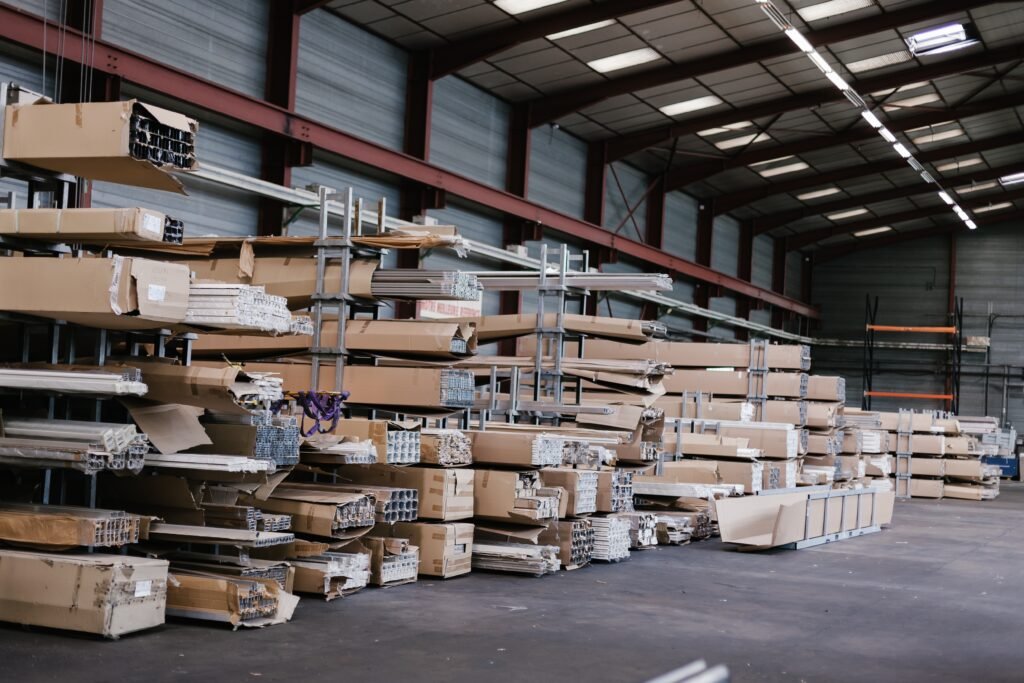
In an era where consumers and stakeholders increasingly prioritize environmental responsibility, businesses face mounting pressure to align their operations with sustainable practices. While liquidation is often viewed purely through a financial lens, eco-friendly liquidation also presents a significant opportunity to demonstrate environmental stewardship and reduce waste.
Every year, millions of tons of unsold inventory end up in landfills, contributing to environmental degradation and resource waste. However, sustainable liquidation practices offer an alternative path—one that allows businesses to clear excess stock responsibly while minimizing environmental impact and maintaining brand integrity.
This article explores how businesses can integrate eco-friendly approaches into their liquidation strategies, turning what might seem like a purely financial decision into an opportunity for positive environmental action with responsible product liquidators.
The Environmental Impact of Unsold Inventory
Before exploring sustainable solutions, it’s important to understand the environmental costs of traditional inventory disposal:
Landfill Waste:
When businesses dispose of unsold inventory through traditional waste channels, these products contribute to already-overburdened landfills. Textiles, electronics, plastics, and other materials can take decades or even centuries to decompose.
Resource Depletion:
Every product represents consumed resources—raw materials, water, energy, and labor. When inventory goes to waste, all those resources are squandered without delivering value.
Carbon Footprint:
Manufacturing, shipping, storing, and ultimately disposing of products generates significant carbon emissions. Unsold inventory represents emissions without purpose.
Chemical Contamination:
Many products contain chemicals or materials that can leach into soil and water systems when improperly disposed of, creating long-term environmental hazards.
According to environmental studies, the global fashion and textile sector generates about 92 million tonnes of textile waste each year.UNEP – UN Environment Programme
Meanwhile, global electronic waste — discarded devices such as computers, phones, and other electronics — reached a record 62 million tonnes in 2022, making e‑waste one of the fastest‑growing waste streams worldwide. ITU
These staggering figures underscore the urgent need for more sustainable approaches to inventory management, responsible consumption, and eco‑friendly disposal or liquidation practices in both the fashion and electronics sectors.
What Makes Liquidation Sustainable?
Sustainable liquidation prioritizes environmental responsibility alongside financial recovery. Key principles of eco-friendly liquidation include:
Extending Product Life Cycles: Finding new markets or users for products keeps them in circulation longer, maximizing the value extracted from the resources invested in their creation.
Waste Reduction: Moving products through responsible liquidation channels prevents them from entering waste streams and landfills.
Resource Optimization: Sustainable liquidation recognizes that products represent valuable resources that should be utilized rather than discarded.
Transparency and Accountability: Environmentally conscious liquidation involves working with Bulk Inventory Buyers and Liquidators who share your sustainability values and can document responsible handling of inventory.
Circular Economy Principles: Supporting systems where products are reused, refurbished, or recycled rather than following a linear “make-use-dispose” model.
Eco-Friendly Liquidation Strategies
Businesses can implement several sustainable approaches when liquidating excess inventory:
1. Partner with Responsible Liquidators
Working with product liquidators who prioritize eco-friendly liquidation ensures your inventory reaches secondary markets rather than landfills. Look for sustainable liquidation partners who:
- Have documented sustainability policies and environmental practices
- Work with buyers committed to resale rather than disposal
- Provide transparency about where and how inventory will be redistributed
- Prioritize keeping products in usable condition throughout the process
- Follow circular economy principles
At Liquidate Products, we focus on eco-friendly liquidation practices, finding secondary markets for inventory to ensure products continue their life cycle rather than ending up as waste.
2. Donate to Charitable Organizations
For products that may not generate significant liquidation value but remain functional and useful, donation offers both social and environmental benefits through sustainable liquidation:
- Extends product life by getting items to people who need them
- Provides potential tax deductions for your business
- Builds positive brand reputation through community support
- Prevents usable products from becoming waste
Consider partnering with local charities, community organizations, or national networks that can efficiently distribute donated goods as part of your eco-friendly liquidation strategy.
3. Explore Refurbishment and Remanufacturing
Some products can be refurbished, repackaged, or remanufactured before entering secondary markets through sustainable liquidation:
- Electronics can be repaired and resold through certified refurbishment programs
- Cosmetics and personal care items can sometimes be repackaged with updated labeling
- Furniture and home goods can be refinished or repaired
- Textiles can be altered or repurposed
While refurbishment requires investment, it often yields better returns than standard liquidation while maximizing sustainability and supporting eco-friendly liquidation practices.
4. Implement Take-Back and Recycling Programs
For products that cannot be resold or donated, proper recycling prevents environmental harm as part of sustainable liquidation:
- Electronics recycling programs recover valuable materials and prevent toxic components from entering landfills
- Textile recycling converts fabric waste into new materials or industrial applications
- Plastic and metal recycling reduces demand for virgin materials
- Composting programs handle organic materials responsibly
Partner with certified recyclers who follow environmental best practices and provide documentation of proper handling for complete eco-friendly liquidation.
5. Support Upcycling Initiatives
Upcycling transforms excess inventory into new products with higher value through creative sustainable liquidation:
- Fashion brands can partner with designers who create new garments from excess fabric
- Packaging materials can be repurposed for art projects or educational programs
- Components from one product can become parts for another
- Creative partnerships with artisans and makers can give inventory new life
Upcycling not only reduces waste but can also generate positive marketing opportunities and brand storytelling around your eco-friendly liquidation commitment.
The Business Benefits of Sustainable Liquidation
Environmental responsibility and business success aren’t mutually exclusive—eco-friendly liquidation offers tangible benefits:
Enhanced Brand Reputation: Consumers increasingly favor brands that demonstrate environmental commitment. Sustainable liquidation practices strengthen your reputation and can differentiate you from competitors.
Customer Loyalty: Environmental consciousness resonates particularly strongly with younger consumers. Demonstrating eco-friendly liquidation can build deeper customer relationships and loyalty.
Regulatory Compliance: As environmental regulations tighten globally, proactive sustainable liquidation practices position your business ahead of compliance requirements.
Employee Engagement: Employees take pride in working for environmentally responsible companies. Eco-friendly liquidation practices can improve morale and retention.
Risk Mitigation: Proper handling of excess inventory through sustainable liquidation channels reduces legal and reputational risks associated with improper disposal.
Financial Recovery: Working with product liquidators focused on sustainability still generates financial returns while providing environmental benefits—you don’t have to choose between profitability and responsibility.
Measuring Environmental Impact of Eco-Friendly Liquidation
To truly embrace sustainable liquidation, businesses should measure and track environmental outcomes:
Waste Diversion Rate: Calculate the percentage of inventory diverted from landfills through eco-friendly liquidation, donation, or recycling.
Carbon Footprint Reduction: Estimate emissions saved by extending product life cycles through sustainable liquidation rather than manufacturing replacements.
Materials Recovered: Track the volume and types of materials kept in circulation through eco-friendly liquidation practices with product liquidators.
Transparency Reporting: Share sustainability metrics with stakeholders through annual reports or dedicated sustainability communications highlighting your liquidation practices.
Many businesses now include circular economy metrics in their ESG (Environmental, Social, Governance) reporting, recognizing sustainable liquidation as a material component of their environmental strategy.
Overcoming Challenges in Sustainable Liquidation
Implementing eco-friendly liquidation practices isn’t without challenges:
Cost Considerations: Sustainable options may sometimes cost more than simple disposal. However, the long-term brand and regulatory benefits of eco-friendly liquidation often justify the investment.
Logistical Complexity: Managing multiple channels—liquidation, donation, recycling—requires coordination. Building relationships with specialized product liquidators simplifies this process.
Quality Control: Ensuring inventory remains in appropriate condition for reuse through sustainable liquidation requires proper storage and handling throughout its life cycle.
Documentation Requirements: Tracking inventory through eco-friendly liquidation channels for compliance and reporting purposes demands robust systems.
Despite these challenges, businesses that commit to sustainable liquidation find that systems and partnerships with responsible product liquidators become more efficient over time.
Building a Sustainable Liquidation Strategy
To integrate eco-friendly practices into your liquidation approach:
Assess Your Inventory: Categorize excess stock by condition, type, and potential for sustainable disposition through eco-friendly liquidation.
Research Partners: Identify product liquidators, charitable organizations, recyclers, and other partners aligned with your sustainability goals for responsible liquidation.
Establish Policies: Create clear guidelines for when and how different types of inventory will be handled through sustainable liquidation.
Train Your Team: Ensure staff understand eco-friendly liquidation priorities and procedures when working with product liquidators.
Measure and Report: Track environmental outcomes from your sustainable liquidation efforts and communicate progress to stakeholders.
Continuous Improvement: Regularly review and refine your eco-friendly liquidation practices based on results and new opportunities.
The Future of Sustainable Liquidation
As environmental consciousness grows, eco-friendly liquidation will become increasingly mainstream:
Technology Integration: Digital platforms are making it easier to connect excess inventory with secondary markets, donation networks, and recycling facilities through sustainable liquidation channels.
Regulatory Pressure: Governments worldwide are implementing extended producer responsibility laws, making businesses accountable for product end-of-life through proper liquidation.
Consumer Expectations: Shoppers increasingly research and reward brands with strong environmental practices, including responsible inventory management and eco-friendly liquidation.
Circular Economy Growth: Business models built around reuse, refurbishment, and recycling are expanding, creating more outlets for sustainable liquidation with product liquidators.
Forward-thinking businesses are positioning themselves ahead of these trends by building eco-friendly liquidation into their core operations now.
Conclusion
Sustainable liquidation represents more than just an environmental nice-to-have—it’s an opportunity to align business operations with the values that increasingly define marketplace success. By choosing eco-friendly liquidation approaches to clearing excess stock, businesses reduce waste, extend product life cycles, and demonstrate the environmental responsibility that consumers, employees, and stakeholders expect.
Whether through partnering with responsible product liquidators, donating to charitable causes, exploring refurbishment options, or implementing comprehensive recycling programs, every business can make more sustainable choices when managing excess inventory through eco-friendly liquidation.
The path to sustainable liquidation begins with recognizing that unsold inventory isn’t just a financial challenge—it’s an environmental responsibility and an opportunity to demonstrate leadership in building a more sustainable future through eco-friendly liquidation practices.
Ready to explore sustainable options for your excess inventory? Contact Liquidate Products to discuss how our eco-friendly liquidation services can help you clear stock responsibly while supporting your environmental goals. As experienced product liquidators committed to sustainability, we provide transparent, responsible solutions for your surplus inventory needs.