
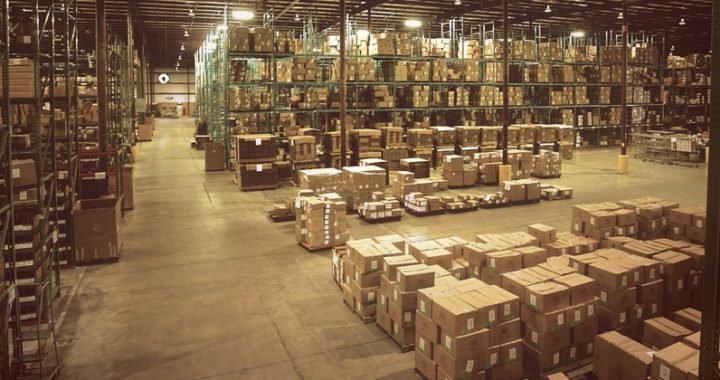
Michigan is one of the most important industrial and retail markets in the United States. From Detroit’s automotive supply chain to regional retail corridors, warehouses across the state can quickly fill with surplus products, discontinued stock, seasonal goods, customer returns, and excess closeout inventory.
For businesses looking for closeout buyers in Michigan, Detroit automotive surplus solutions, or bulk overstock liquidation, the challenge is not simply finding a buyer. The real challenge is finding a buyer who understands the value of mixed B2B inventory, large lots, and time-sensitive surplus.
Michigan’s market is unique because it is not only a retail state. It is also deeply tied to manufacturing, automotive parts, OEM supply chains, distribution, and industrial surplus. That means liquidation needs can look very different from one business to another.
One seller may need to move pallets of retail overstock. Another may have discontinued automotive accessories. A supplier may have excess OEM-related inventory. A warehouse may need to clear shelf pulls, returned merchandise, or packaging-change stock. A distributor may be holding slow-moving parts, consumer goods, or cancelled orders.
When inventory stops moving, it ties up cash and warehouse space. Working with experienced closeout buyers can help Michigan businesses turn that excess stock into immediate recovery.
Why Michigan Creates Unique Closeout Inventory Needs
Michigan’s economy has a strong connection to automotive manufacturing, mobility, logistics, and retail distribution. Detroit, Grand Rapids, Lansing, Ann Arbor, Warren, Sterling Heights, Dearborn, Troy, and surrounding industrial areas all support businesses that handle physical goods.
That creates several types of inventory pressure:
- Automotive parts surplus
- OEM-related overstock
- Aftermarket accessories
- Warehouse closeouts
- Retail overstock
- Seasonal merchandise
- Customer returns
- Shelf pulls
- Packaging-change inventory
- Discontinued product lines
- Cancelled wholesale orders
- Industrial and commercial surplus
- Slow-moving ecommerce stock
Michigan businesses often operate in industries where timing matters. A product line can change. A customer order can be cancelled. A retail season can end. Packaging can be updated. A distributor can over-order. An OEM-related supplier may be left with usable surplus that no longer fits an active program.
That is when closeout liquidation becomes a practical solution.
What Are Closeout Buyers?
Closeout buyers purchase excess, aged, discontinued, returned, or overstock inventory in bulk. Instead of selling products one unit at a time, a business can move larger quantities through a buyer who specializes in secondary-market inventory.
Closeout buyers may purchase:
- Brand-new overstock
- Shelf pulls
- Customer returns
- Manifested returns
- Unmanifested returns
- Truckload returns
- Discontinued goods
- Obsolete products
- Packaging-change inventory
- Cancelled orders
- Seasonal closeouts
- Salvaged lots
- Mixed-condition inventory
- Warehouse cleanout inventory
For Michigan sellers, this can be especially useful when inventory is taking up warehouse space but no longer belongs in the primary sales channel.
Liquidate Products works with businesses that need to move excess and overstock inventory in bulk. The company buys closeout, aged, seasonal, discontinued, return, and surplus inventory across many categories.
Detroit Automotive Surplus: Why It Needs a Different Liquidation Approach
Detroit’s automotive market creates inventory situations that are different from regular retail liquidation.
Automotive surplus may include products connected to production changes, dealership accessories, aftermarket distribution, packaging updates, supplier overstock, or discontinued part lines. Some products may be consumer-facing. Others may be industrial, specialized, or category-specific.
Examples of automotive-related surplus may include:
- Automotive accessories
- Car care products
- Aftermarket parts
- Tools and shop supplies
- Replacement parts
- Lighting accessories
- Interior accessories
- Floor mats and liners
- Packaging-change items
- Discontinued SKUs
- Dealer-related overstock
- Warehouse excess from suppliers
- Returns from automotive ecommerce sellers
- Cancelled wholesale automotive orders
Not every automotive surplus lot is the same. Some products may be shelf-ready. Some may be aged. Some may have packaging issues. Some may require a buyer who understands bulk lots, manifests, pallets, and secondary channels.
The best liquidation approach depends on condition, quantity, product category, resale restrictions, and urgency.
OEM Parts Overstock and Supplier Surplus
In Michigan’s automotive supply chain, OEM-related inventory can become surplus for many reasons.
A supplier may produce or hold inventory for a program that changes. A product may be replaced by a newer version. A packaging standard may shift. A manufacturer may discontinue a SKU. A distributor may end up with more inventory than expected.
OEM parts overstock may still have value, but it can be difficult to move through normal channels if demand has shifted.
Businesses should consider liquidation when:
- Inventory is no longer part of an active program.
- The SKU has been discontinued.
- Packaging has changed.
- The product is taking up warehouse space.
- Forecasted demand did not materialize.
- A wholesale order was cancelled.
- Resale through normal channels is too slow.
- Cash recovery is more important than holding inventory.
- The inventory requires bulk movement rather than unit sales.
In these cases, closeout buyers can help convert automotive surplus into cash instead of letting it sit in a warehouse.
Detroit Retail Overstock: More Than Automotive Inventory
Detroit and the surrounding Michigan market also create retail overstock. This can come from local stores, ecommerce businesses, distributors, wholesalers, and national retail suppliers operating in the region.
Retail overstock may include:
- Apparel and accessories
- Home goods
- Consumer electronics
- Health and beauty products
- Toys and games
- Sporting goods
- Seasonal goods
- Customer returns
- Shelf pulls
- Store closure inventory
- Cancelled orders
- Warehouse clearance lots
- Packaging-change goods
Retail overstock becomes a problem when demand slows, shelf space changes, or inventory sits longer than expected.
A product that looked profitable on paper can become expensive when storage costs, markdowns, and labor are added. That is why Michigan retailers and wholesalers should review excess stock before it becomes aged inventory.
For category guidance, businesses can review the industries served by Liquidate Products to understand the types of inventory that may qualify for bulk liquidation.
Why Holding Surplus Inventory Costs More Than Businesses Think
Many Michigan businesses delay liquidation because they focus on the original value of inventory. That is understandable, but original cost is not always the best decision-making number.
The better question is:
“What is this inventory worth after storage, labor, markdowns, handling, and time?”
Surplus inventory can create hidden costs, including:
- Warehouse storage
- Labor to move and count products
- Inventory management time
- Damaged packaging
- Product aging
- Lost resale value
- Delayed cash flow
- Missed buying opportunities
- Obsolete SKUs
- Reduced warehouse efficiency
- Discounting pressure
If inventory is not moving, it may already be costing more than the business realizes.
Liquidation helps stop the carrying cost and recover usable cash.
When Businesses Should Contact Closeout Buyers
Closeout buyers should be contacted before inventory becomes a warehouse emergency.
Michigan businesses should consider liquidation when:
- Inventory has not moved within the expected timeline.
- Warehouse space is needed for active products.
- A product line is discontinued.
- A buyer cancelled a bulk order.
- Automotive SKUs are no longer active.
- Packaging has changed.
- Seasonal demand has passed.
- Retail overstock is aging.
- Customer returns are piling up.
- A warehouse cleanout is needed.
- The business needs faster cash recovery.
- A product is too slow to sell one unit at a time.
The earlier a seller acts, the more options may be available.
Waiting too long can reduce recovery value, especially for seasonal goods, packaging-change products, and discontinued items.
What Closeout Buyers Need From Sellers
Before requesting a quote, sellers should prepare basic inventory details.
A buyer can evaluate a lot faster when the information is clear.
Helpful details include:
- Product category
- Brand names, if applicable
- SKU list
- UPCs or model numbers
- Quantity by SKU
- Product condition
- Photos
- Retail value
- Wholesale cost, if available
- Pallet count
- Box count
- Location in Michigan
- Whether goods are palletized
- Whether inventory is manifested
- Whether products are new, returned, open-box, damaged-box, or mixed
- Any expiration dates
- Any resale restrictions
- Desired timeline for pickup or sale
Automotive surplus sellers should also include any available fitment, part number, model, or compatibility information if relevant. This helps buyers understand the lot and evaluate resale potential.
Liquidate Products typically asks sellers to submit as much inventory information as possible, often through a manifest in Excel format. Sellers can start the process through the Submit Your Inventory page.
Automotive Surplus vs. General Retail Overstock
Automotive surplus and general retail overstock can both be liquidated, but they require different evaluation.
Automotive surplus may need more technical product information, including part numbers, compatibility, model details, or category notes. Retail overstock may be easier to evaluate through product photos, UPCs, quantities, and retail pricing.
Here is a simple comparison:
Automotive Surplus
This may include parts, accessories, tools, car care products, dealer goods, or aftermarket inventory. Buyers may need part numbers, condition notes, compatibility details, and quantity by SKU.
Retail Overstock
This may include consumer goods, home products, apparel, toys, beauty products, electronics, or seasonal merchandise. Buyers may need UPCs, photos, retail value, packaging condition, and pallet count.
Mixed Warehouse Inventory
Some Michigan sellers have both. A warehouse may include automotive accessories, consumer goods, returns, and discontinued retail products. In that case, separating inventory by category can speed up the quote process.
How Liquidation Helps Michigan Warehouses Free Up Space
Warehouse space is valuable. When pallets of old inventory sit in racking or on the floor, they reduce the efficiency of the entire operation.
Liquidation can help:
- Clear slow-moving pallets
- Recover cash from inactive stock
- Reduce storage pressure
- Prepare for new inventory
- Remove discontinued goods
- Improve warehouse organization
- Support facility moves or cleanouts
- Reduce time spent managing dead stock
- Create room for profitable products
This is especially important for Michigan businesses connected to manufacturing, distribution, and retail. Inventory turnover matters. Space used for slow-moving products can block space needed for higher-priority stock.
Why Bulk Liquidation Is Better Than Unit-by-Unit Resale
Some businesses try to sell surplus one unit at a time through marketplaces, discount promotions, or local resale channels. That can work for small quantities, but it is usually not the best path for bulk inventory.
Unit-by-unit resale can require:
- Product listings
- Photography
- Customer service
- Shipping
- Returns handling
- Marketplace fees
- Discounts
- Staff time
- Long sell-through periods
Bulk liquidation is different. It is designed for sellers who want to move larger quantities quickly.
A bulk inventory buyer can purchase pallets, truckloads, or larger lots, depending on the inventory type and condition. This allows Michigan businesses to recover cash without waiting months for slow resale.
Protecting Brand Value During Liquidation
Some businesses worry that liquidation will damage brand reputation. That concern is valid, especially for manufacturers, distributors, and brand-sensitive retail sellers.
A professional liquidation process should be discreet and practical.
Liquidate Products emphasizes maintaining brand integrity and handling inventory discreetly. Businesses with channel restrictions, Amazon restrictions, or specific resale preferences can discuss those needs before moving forward.
This matters for automotive suppliers, consumer goods brands, and retailers that do not want inventory dumped into the wrong sales channel.
For common seller questions, visit the Liquidate Products FAQs.
Michigan Closeout Buyers for Different Inventory Types
Michigan businesses may need closeout buyers for many reasons. Some are tied to Detroit’s automotive sector. Others come from retail, ecommerce, wholesale, or warehouse operations.
Common inventory types include:
- OEM parts overstock
- Aftermarket automotive accessories
- Automotive warehouse surplus
- Cancelled orders
- Retail shelf pulls
- Store closure goods
- Excess closeouts
- Customer returns
- Seasonal inventory
- Discontinued product lines
- Packaging-change stock
- Aged inventory
- Mixed-condition lots
- Truckload returns
- General liquidation inventory
If the products are sitting in storage and no longer moving through the primary sales channel, they may be candidates for liquidation.
How to Decide Whether to Liquidate
Use a simple decision framework.
Ask:
- Is the inventory still selling at a profitable pace?
- Is the product still active or discontinued?
- Is warehouse space needed for better inventory?
- Are storage and labor costs increasing?
- Is the product seasonal or time-sensitive?
- Is the packaging outdated or damaged?
- Can the inventory be sold in bulk?
- Is cash recovery more valuable than waiting?
- Would holding the inventory reduce future value?
- Can a closeout buyer move it faster than your internal team?
If the answer points toward slow resale, rising costs, and limited demand, liquidation may be the better business decision.
Final Thoughts
Michigan’s liquidation needs are different from many other states because the market is strongly connected to automotive production, industrial supply chains, retail distribution, and warehouse operations.
For Detroit and Michigan businesses, surplus inventory can come from many sources: OEM parts overstock, aftermarket automotive goods, retail closeouts, customer returns, discontinued products, shelf pulls, seasonal stock, and cancelled orders.
The key is not to let that inventory sit until it loses value.
Working with experienced closeout buyers in Michigan can help businesses recover cash, clear space, and move surplus inventory before it becomes a larger warehouse problem.
Ready to sell Michigan closeout inventory, Detroit automotive surplus, or retail overstock? Visit Liquidate Products or submit your lot through the Submit Your Inventory page to request a quote.