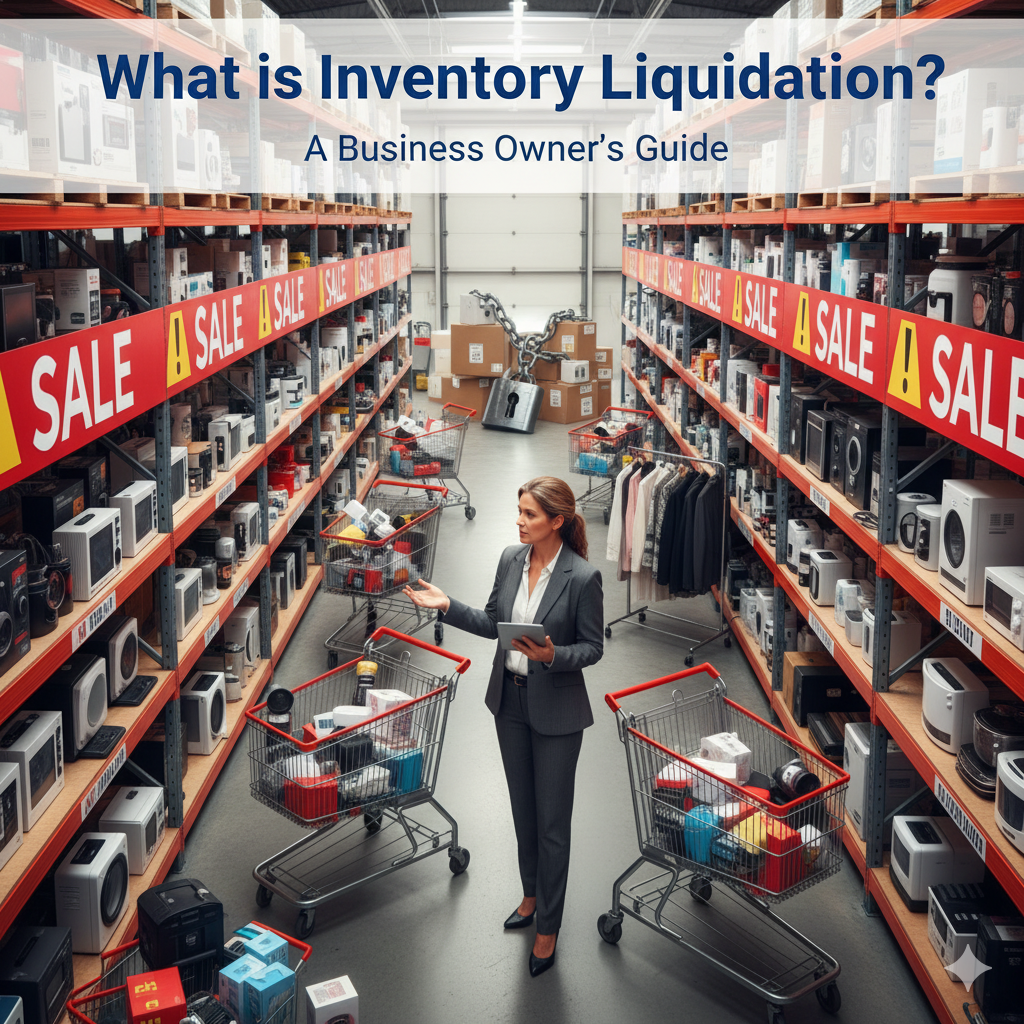
In business, inventory is an asset. But when stock remains unsold, it quickly becomes a burden. This is where inventory liquidation plays a key role. It is the process of selling excess, outdated, or slow-moving inventory at discounted prices to free up cash, storage space, and improve efficiency.
1. What is Inventory Liquidation?
Inventory liquidation means selling extra or unsold products at lower prices to recover money and reduce losses. Instead of letting stock gather dust in warehouses, companies sell it through discounts, liquidation companies, online marketplaces, or special clearance events.
It is one of the most effective ways to turn stuck inventory into cash. By doing so, businesses make space for fresh arrivals, keep cash flow strong, and maintain financial stability. In simple words, liquidation transforms wasted products into valuable opportunities.
2. Reasons for Inventory Liquidation
Overstocking
Overstocking happens when businesses buy more products than they can sell. This usually occurs due to poor forecasting, overestimating demand, or sudden market changes. Instead of letting products sit idle, liquidation allows businesses to recover part of their investment. It also frees up valuable warehouse space for new and trending stock.
Discontinued Products
Some products are discontinued because of low demand, high production costs, or changing customer preferences. Leftover stock from these discontinued lines can become dead weight for a business. Liquidating them ensures money is not wasted and also helps businesses clear old models to introduce new ones.
Seasonal Products
Products like winter coats, holiday decorations, or summer fashion items have limited sales periods. Once the season is over, demand drops, and these items become hard to sell. Liquidating them at discounted prices ensures businesses can still earn revenue and make room for the upcoming season’s stock.
Expiring Products
Products with expiration dates such as medicines, packaged foods, and cosmetics lose value quickly after a certain time. If not sold in time, they lead to a complete loss. Liquidation helps sell these items faster, often at lower margins, but still allows recovery of some investment.
Financial Struggles
Companies facing cash flow problems often turn to liquidation for survival. By selling off unsold or slow-moving stock, they can generate immediate cash. This money can be used for paying debts, funding operations, or investing in better-selling items to keep the business alive.
Business Closure or Strategy Shifts
When businesses shut down or change direction, liquidation becomes necessary. It helps in clearing old inventory, reducing financial pressure, and supporting smooth transitions. Whether it’s rebranding, moving online, or starting a new line, liquidation eases the process.
3. Importance of Inventory Liquidation for Businesses
It is very important and every business knows how to do inventory liquidation and manage inventory to run their businesses smoothly and for long term growth.
Improves Cash Flow
Unsold inventory locks up money that could be used elsewhere. Liquidating this stock turns it into immediate cash. This money can be reinvested into marketing, purchasing new products, or paying operational costs, keeping the business financially healthy.
Frees Up Storage Space
Warehouses filled with old stock block space for fresh items. By liquidating excess products, businesses create room for new arrivals that have higher demand. This not only saves storage costs but also improves efficiency in managing stock.
Reduces Holding Costs
Holding inventory comes with expenses like rent, insurance, and handling fees. The longer items stay unsold, the higher these costs grow. Liquidation helps businesses cut these ongoing expenses, reducing unnecessary financial strain.
Prevents Obsolescence Loss
If products become outdated or unpopular, businesses risk losing their entire investment. By liquidating them at a discount, companies recover at least part of the money instead of facing total losses. This reduces financial risk.
Builds Flexibility
With less outdated stock, businesses stay agile and responsive to customer demand. They can quickly switch strategies, introduce new products, or adjust pricing, making them more competitive in changing markets.
Strengthens Supplier Relations
Suppliers prefer businesses that keep inventory moving quickly. By liquidating stock and maintaining strong cash flow, businesses build trust with suppliers. This can lead to better deals, discounts, or credit terms in the future.
4. When Should You Liquidate Inventory?
Liquidating inventory at the right time is very important for a business. If you wait too long, your products may lose value, take up space, or even expire. Acting early helps you avoid bigger losses and recover more money.
Slow-Moving Stock
Sometimes products stay in the warehouse for a long time without selling. This is called slow-moving stock. It takes up storage space, increases costs, and reduces profit. In this case, liquidation is the best option to clear these items and make room for new products.
Sudden Drop in Demand
Customer demand can change quickly. A product that was popular last month may not sell this month. If demand drops suddenly, holding on to that stock is risky. Businesses should liquidate these items before they lose more value.
Seasonal Collections
When new stock is coming in like summer clothes, winter wear, or festival items ,it’s important to clear out the old collection. Liquidation helps create space for fresh arrivals and ensures customers focus on the latest products instead of the outdated ones.
Nearing Expiration or Becoming Obsolete
Some products like food, medicines, or cosmetics have expiry dates. Others, like electronics, may become outdated quickly when new models launch. If you don’t sell them in time, they can turn into a complete loss. Liquidation helps you sell them at a lower price but still recover part of your money.
Bankruptcy of business
If a business is facing money problems, liquidation becomes a survival tool. By selling excess stock quickly, businesses can get fast cash to pay bills, cover debts, or keep daily operations running. This keeps the business alive during tough times.
5. Methods of Inventory Liquidation
There are multiple ways businesses can liquidate their inventory effectively.
Discount Sales
Discounts, clearance events, and special offers attract customers looking for bargains. These sales are effective in quickly moving large quantities of stock. They not only generate immediate revenue but also bring more customers into the store.
Online Marketplaces
Platforms like Amazon, eBay, and Alibaba allow businesses to sell excess inventory worldwide. This widens the customer base and increases the chances of selling stock quickly. Online platforms also provide flexibility in setting prices and running promotions.
Selling to Liquidation Companies
Specialized liquidation companies or in simple word Bulk Inventory Buyers buy stock in bulk directly from businesses. While profit margins are lower, this method clears large amounts of inventory fast. It is especially useful for businesses with limited time or urgent financial needs.
Product Bundling
Slow-moving items can be bundled with popular products to increase sales. For example, a less popular accessory can be sold along with a trending product as part of a package deal. This makes unattractive items more appealing to customers.
Auctions
Auctions, both online and offline, allow businesses to sell products to the highest bidder. This method works well for unique or valuable items and ensures that businesses get a fair price without waiting too long.
B2B Sales
Businesses can sell excess products directly to other retailers or wholesalers. This method clears inventory in bulk and builds relationships with other businesses, creating opportunities for future collaboration.
Flash Sales
Flash sales involve heavy discounts for a short time, creating excitement and urgency among customers. These time-limited offers often lead to quick sellouts, making them highly effective for moving excess stock.
Donations to Charities
Sometimes businesses choose to donate excess stock to charities. This not only clears inventory but also improves brand image and builds goodwill. In some cases, businesses may also receive tax benefits from donations.
6. How to Prevent Excess Inventory
Prevention is always better than cure. Businesses can avoid the need for liquidation by using smart strategies to prevent excess to manage inventory easily.
Use Inventory Management Software
Modern inventory management software helps track stock levels in real time. It provides analytics and demand forecasts, ensuring businesses order the right amount of products. This reduces the risk of overstocking.
Implement Just-in-Time System
The Just-in-Time approach means businesses order products only when needed. This reduces waste, storage costs, and the risk of unsold goods. It ensures that businesses always have fresh inventory aligned with current demand.
Monitor Sales Channels
By keeping a close eye on customer demand and analyzing sales channels, businesses can adjust purchasing decisions on time. Sales data helps in predicting trends, avoiding excess stock, and keeping inventory balanced.
7. Can Other Assets Be Liquidated?
Yes, liquidation is not just limited to inventory. Businesses can also liquidate assets such as machinery, vehicles, office equipment, and even real estate. Selling these assets helps generate quick cash, reduce debt, or reorganize operations. Many companies use asset liquidation during financial struggles or restructuring to improve stability.
8. Benefits of Starting a Retail Liquidation Business
Starting a retail liquidation business can be profitable if done strategically. Entrepreneurs can start small with as little as $10,000 to $50,000. By sourcing products from large retailers or liquidation marketplaces, they can build a strong supply base.
Selling these products through online platforms like Amazon and eBay, or locally through thrift stores and flea markets, creates steady income. As demand for discounted products rises globally, liquidation businesses are expected to grow rapidly in the coming years.
Conclusion
Inventory liquidation is not only about selling leftover products at low prices it is also a smart financial strategy. When businesses liquidate their excess stock, they free up cash that was previously stuck in unsold goods. This improves cash flow, which is very important for paying expenses, investing in new products, or keeping the business running smoothly.
Another big advantage is that liquidation frees up warehouse space. A crowded warehouse makes it harder to manage stock and adds extra storage costs. By clearing out old items, businesses can create room for new collections, seasonal products, or fast-moving goods that bring higher profits.Liquidation also reduces hidden costs such as insurance, maintenance, and risk of obsolescence. Holding stock for too long can result in total losses, especially if products expire or go out of fashion. Selling them early, even at lower prices, is always better than keeping them until they are worthless.
FAQs on Inventory Liquidation
Q1. What is inventory liquidation?
Inventory liquidation means selling excess or unsold products, usually at discounted prices, to recover cash and clear storage space. It ensures businesses can turn stuck products into valuable income.
Q2. Why do businesses liquidate inventory?
Businesses liquidate stock due to overstocking, discontinued products, seasonal demand, expiring items, or financial struggles. It is also common during business closure or strategy shifts.
Q3. How do you liquidate inventory quickly?
Quick liquidation methods include discount sales, online marketplaces, auctions, flash sales, and bulk sales to liquidation companies. Donating to charities is also an option for faster clearance.
Q4. What are the benefits of liquidation?
Liquidation improves cash flow, lowers storage costs, prevents total losses, and ensures businesses stay flexible. It also strengthens relationships with suppliers and customers.
Q5. How can I prevent excess inventory?
Prevention strategies include using inventory management software, adopting the Just-in-Time system, and monitoring sales channels. These methods keep stock levels balanced and reduce the risk of overstocking.